All woodworkers make mistakes, whether they are beginner or professional. A crooked cut, a joint that doesn’t fit together or a blotchy finish can destroy hours of effort. The positive side to this is that most issues recur. When you know of the common woodworking mistakes and how to avoid them, you save wood, time and money.
This is a list of the most common mistakes that people make when they’re in the shop, whether it’s planning or finishing. Every section details the reason for the error and provides an easy repair. Apply it as a handy checklist before each project.
Why Common Woodworking Mistakes and How to Avoid Them Matter
Wood is not easy to please. A cut can’t be re-inserted and a small mistake quickly becomes a large problem. Tight joints can’t be made with a board that is cut a few millimeters too short, regardless of how much glue is applied.
It also helps to develop confidence in learning common woodworking problems and how to avoid them. You don’t guess, you have a clear process. Your projects get a superior fit, stay cleaner and last longer.
Mistake 1: Starting Without a Plan
Planning errors are the most frequent woodwork mistakes and how to prevent them. If you don’t have a plan, you can end up with an insufficient amount of lumber or you may not remember how the pieces fit together.
How to avoid it:
Draw the project, showing all dimensions.
Create a cut list containing each part, its size and its quantity.
Use the list as a reference when cutting the lumber.
A straightforward procedure to help identify problems on paper and do not come with a price tag.
Mistake 2 – Incorrect measurements and marking!
The old saying “measure twice, cut once” is still true. Much of wasted boards is due to poor measuring.
How to avoid it:
Have the same tape or ruler throughout the project. There may be a slight difference in tools.
Use a sharp pencil or marking knife to mark. The thicker the pencil line, the more errors.
Use the same reference edge for each measurement.
Label the waste line to indicate which side to cut on.
Keep in mind the saw kerf. The blade takes off a thin piece of wood, and the sum of all those small pieces is a lot of wood.
Mistake 3: Choosing the Wrong Wood or Using Wet Lumber
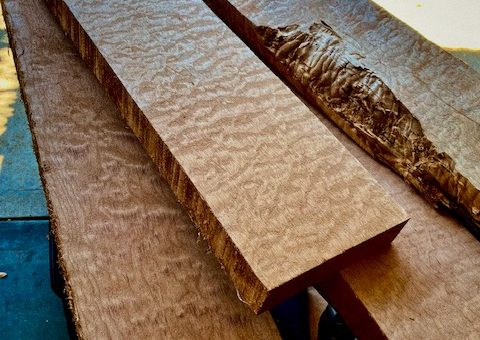
Common woodworking mistakes and how to avoid them are important in the selection of materials. The softwoods such as pine are easily dented. Hardwoods such as oak and maple are tougher and more difficult to cut or shape. When wet lumber dries, it is likely to warp, twist or crack.
How to avoid it:
Use the right wood for the right job. Different materials are required for a workbench and jewelry box.
Look down each board to ensure that it is level and flat.
Store lumber for a few days in your wood shop to allow it to acclimate to the humidity of the shop.
For indoor furniture use kiln-dried, dry lumber.
Mistake 4: Ignoring Wood Movement
Wood expands and contracts with moisture. The bulk of this movement is transgrain instead of along-grain. When a solid wide panel is securely fastened in a frame, it could break apart during seasonal shifts.
How to avoid it:
When installing tabletops and large panels, allow for space to move around.
Use floating panels, slotted screw holes or tabletop fasteners.
Don’t glue across the grain over large areas.
Mistake 5: Overlook Grain Direction
When wood is cut or planed across the grain the fibers are torn. This is called tear-out and will result in rough patches which are difficult to sand out.
How to avoid it:
Look at the grain on the board’s edge to see which way it runs.
Plane in the direction of grain and towards the surface.
Use light passes rather than heavy passes.
Use painter’s tape and/or a scrap backer board to mark the exit of the blade from a cut.
Mistake 6: Using the wrong or dull tools.
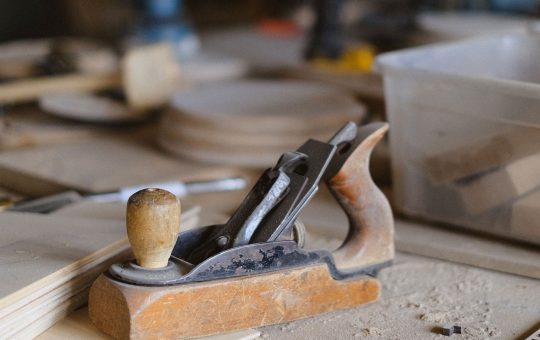
In addition, tool problems are always included in the list of common woodworking mistakes and how to avoid them. Flaking blades burn down the wood, rip the fibers and require more effort from you. This means that it is not safe to work harder.
How to avoid it:
Frequently sharpen chisels and plane irons.
Replace or clean saw blades when they start to burn the cut.
Try using the correct blade for the job, and a ripping blade for cuts across the grain, or a crosscut blade for cuts with the grain.
Allow the tool to do the job! Feed slowly and steadily.
Mistake 7: Not doing a dry fit.
Many novice people will apply glue before trying out the pieces. If it doesn’t fit, the gluing is working against you. One of the easiest common woodworking mistakes and how to avoid them is a dry fit, which only take a few minutes.
How to avoid it:
Build up the project with no glue first.
Look for right angles and tight joints on corners.
Label parts to easily locate their location.
Before gluing, determine clamps to be set and order of assembly.
Mistake 8: Inadequate joinery and glue-ups.
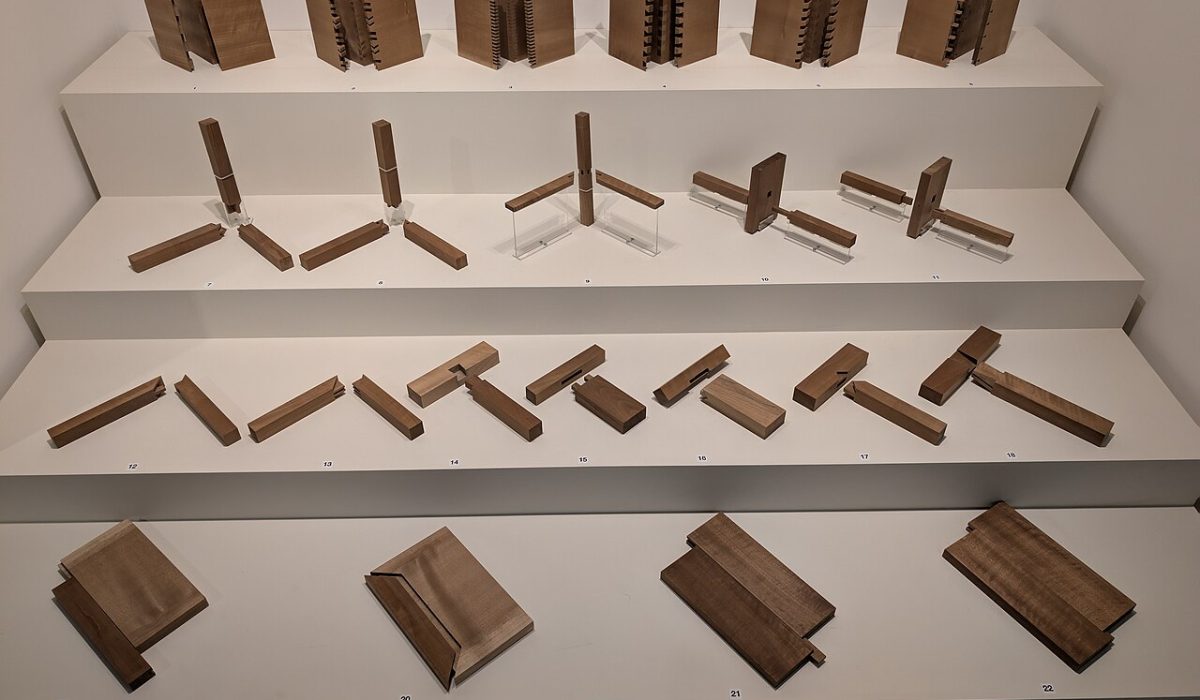
Joinery is always a part of any common woodworking error list that details how to avoid them, since weak joints fail first. Butt joints glued together are sometimes not as strong as joints that are locked together.
How to avoid it:
Select joinery appropriate to load—dowels, mortise and tenon or dovetails are used for parts under stress.
Smooth, level surfaces that fit closely together should be glued together.
Apply a thin even glue application. Excessive or inadequate will create matters of concern.
Make sure it is fastened tightly but not too tightly – too much glue can be extruded.
Wipe off squeeze-out. Dried glue blocks discolor and cause light spots.
Use the clamp time provided on the glue bottle.
Mistake 9: Using too much sanding too quickly.
Sanding is often seen as a task that needs to be done, and it determines the appearance of a surface. Common woodworking mistakes and how to avoid them are most evident in the sanded wood finished product.
How to avoid it:
Work through the grits: 120, 180 and then 220. Please do not miss a few steps.
Sweep from side to side, rather than up and down.
Clean between the grits using a brush, a vacuum or tack cloth.
Look at the surface from an angle. Scratches are readily noticeable.
Mistake 10: Making Finishing Errors
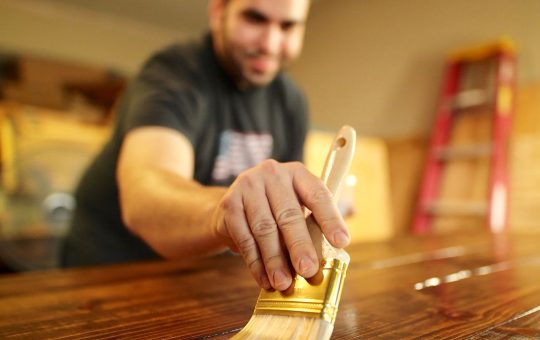
A good looking build can be a poor finished product. Typical issues include dust in the coating, thick runs and uneven stain.
How to avoid it:
Try the finish on a test piece of the same wood first.
Thoroughly clean the surface prior to coating.
Apply light coats and follow label directions for dry times.
Pre-stain conditioner for blotch prone woods such as pine and maple.
Throw away oily rags properly. Rags soaked in some finishes may become hot and burst into flames. Lay them out in the sun to dry or place them in a metal container with water.
Mistake 11: Ignoring Shop Safety
The most critical of common woodworking mistakes and how to avoid them is safety. A single failure can result in an injury for life.
How to avoid it:
Use safety glasses, hearing protection and dust mask or respirator.
Avoid using push sticks and do not use hands to hold blades.
No loose sleeves, jewelry or hanging cords.
Disconnect tools before replacing blades or bits.
When tired or in a rush, stop working.
Quick Checklist: Common Woodworking Mistakes and How to Avoid Them
Make a print out of this list and hang it next to the bench:
Examine and plan and make a cut list.
Use one measuring device to measure from one reference edge.
Select the wood that is appropriate and allow it to acclimatize in your shop.
Permit wood movement.
Cut or plane grain before reading it.
Use sharp blades and chisels.
Dry fit all projects.
Carefully clamp and remove glue.
Grain sand to grits by size.
Test ends on scraps of wood.
Safety first and at all times.
Related reading: woodworking for beginners, easy woodworking projects, hardwood vs softwood.
Final Thoughts
Learning always involves making errors, but you don’t have to make the same ones everyone else makes. The problems lie in rushing; poor planning; or neglecting to take small steps – a dry fit, a test finish etc.
Take your time, take care of measurements, sharpen tools and follow safety precautions. Making each project after it’s done more straightforward and rewarding than the prior.
As you work, have this list of common woodworking errors and solutions to avoid them on hand. You’ll find these habits begin to come naturally to you over time and your skills will improve with each board you cut.
FAQs
Why is it important to know common woodworking errors and how to avoid them?
It saves time and money, and avoids the waste of wood. It also makes you work more safely and, in a more rapid way than purely by trial and error.
What’s the biggest mistake that new woodworkers tend to make?
Two of the most common are poor measuring and failing to have a plan. Both result in non-fitting parts and components. Most of these issues are eliminated with the use of a cut list and consistent measuring practices.
Why does my wood joints have a gap in it?
Typically, gaps are caused by inaccurate cuts, the board not being flat, or movement during clamping. Always measure, use a square and do a dry fit before gluing. A tight joint is always better, sometimes a small gap can be filled.
What is the best way to prevent warping of wood?
Purchase dry lumber, stack it on its side and acclimate it to your shop conditions before cutting it. Finish or seal all sides of project to allow moisture to enter and exit uniformly. Include provision for wood movement in your design as well.
What to do in case of an error during the woodworking process?
Stop and evaluate the situation. A lot of little problems can be solved with wood filler, patching or light sanding. Any error in strength and/or fit is generally better solved by recutting the part than by trying to make it fit.