Power Tools can do hard jobs quick and easy. They also have the potential to inflict severe injuries.
This guide provides you with some key safety facts to consider when operating power tools at home, in your garage, or on the job site. Every tip is straightforward, simple and easy to use.
The basic principles apply to anyone with a drill, a circular saw or an angle grinder.
Why Following Essential Safety Tips for Using Power Tools Matters
Power tools have a high speed of rotation, a high depth of cut, and high cut power. A split second’s carelessness can result in cuts, burns, eye injury or hearing loss.
The majority of accidents are caused by the same things. Individuals do not wear protective clothing or equipment, work in substandard light or wear worn or faulty tools, or hurry.
Fortunately, many of these incidents can be avoided. Once these safety guidelines have been mastered, basic safety will become second nature, even during tricky jobs.
Read the Manual before you start
Each and every tool is somewhat different in terms of operation. Manual provides correct use, recommended accessories, and important warnings.
Even if you’ve used a similar tool before, take some time to read it. Pay attention to:
Rights blades, bits or discs for the tool
How to turn the tool on and off in a rapid way.
Any restriction on materials or tasks are lifted.
If the manual is missing, most manufacturers will have a copy available for free on the manufacturer’s website. It’s one of the most elementary of basic tips for power tool safety, but it is often overlooked.
Wear the Right Protective Gear
Your first line of defense is personal protective equipment (PPE). Select appropriate equipment and use it appropriately.
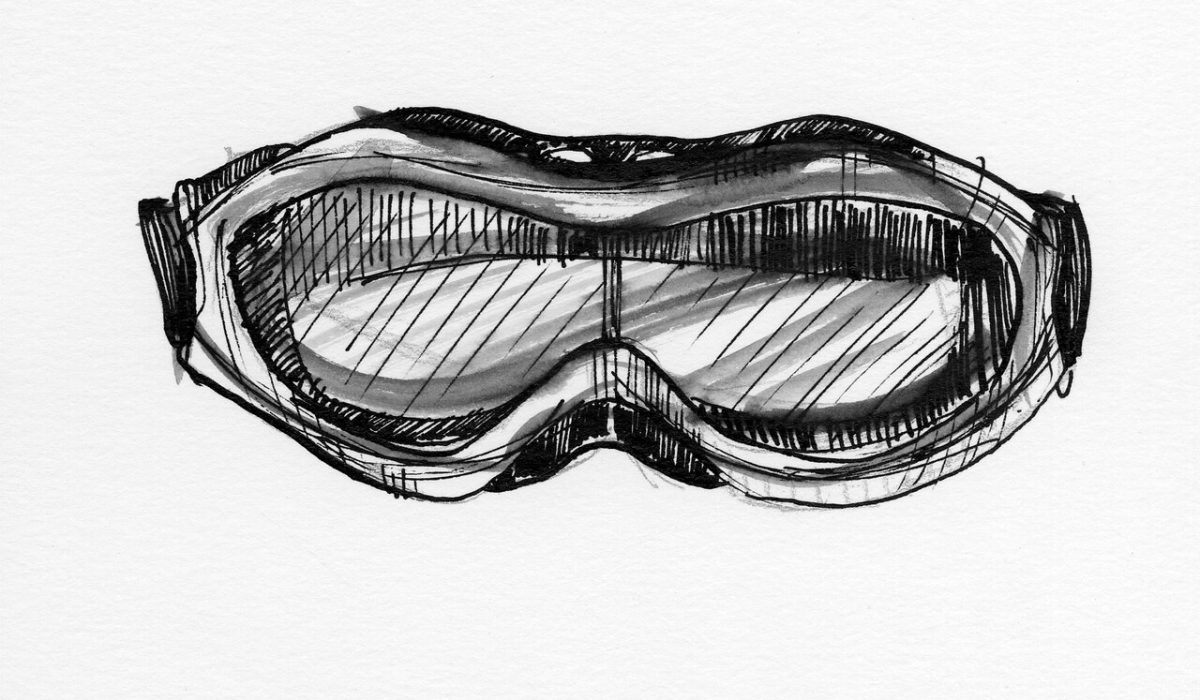
Eye protection: Safety Glasses or Goggles. Find eyewear that is marked ANSI Z87.1, indicating that it complies with a recognized impact standard.
Hearing protection: Many power tools emit noise greater than 85 decibels, where hearing protection is recommended. Wear ear plugs or ear muffles.
Dust mask or dust respirator: Fine dust is generated when sawing, sanding and grinding. Wear a dust mask or respirator appropriate for the type of dust being made.
Hard shoes: Closed-toe and non-slip shoes help to protect your feet. Heavy work would call for the steel-toe boot variety.
Gloves: Gloves are used to protect hands when handling rough material. But don’t wear loose gloves around moving objects like drill bits that can catch and pull your hand.
The first of all the essential safety tips for using power tools that every beginner should know is wearing the appropriate protective equipment.
Dress Safely for the Job
Clothes are as important as the things you have in your hands. In just a few seconds loose clothing can become entangled in the moving parts.
Roll or roll-up long sleeves or wear fitted clothes.
Take off rings, watches and necklaces.
Tie back long hair.
Don’t wear scarves or clothing with drop cords.
Inspect Your Tool Before Every Use
A mere minute can save a serious accident and a quick check will only take a second. Prior to beginning, search for:
Crack/damage to the power cord
Damaged plug prongs (bends or damage)
Brittle fractures of the tool housing.Cracks in the tool housing.
When the guard is missing or comes off.
Dull, chipped or bent blades and bits
An electrical switch that fails to switch on or off or that gets stuck on or off.
Do not use if it is damaged. Fix or replace before using.
The danger of dull blades is particularly great. They make you work harder which increases the risk of slip or kickback. A simple pre-use inspection is among the most overlooked essential safety tips for using power tools.
Set Up a Safe Work Area
A neat and tidy area minimises accidents. Prepare work area before using a tool.
Maintain dry, clear and well lit area.
Clear away obstacles and potential hazards.
Do not allow children or pets to come near.
Keep flammable materials (e.g., rags, solvents) away from the sparks.
Use clamps or a vise to hold your material, don’t hold it in your hands.
A stable workpiece allows for both hands to be used to operate the tool. This will provide you with much greater control and will reinforce all of the important safety tips in this guide with reference to power tools.
Follow Electrical Safety Rules for Corded and Cordless Tools
The danger of electric shock or fire is a possibility, particularly in moist areas. These practices reduce the risk.
For corded tools:
Use a ground fault circuit interrupter (GFCI) when using electricity outdoors, in a garage or in areas with moisture.
Use an extension cord rated for the power requirements of the tool, and an outdoor rated cord when outdoors.
Never pull the plug by the cord, but instead, pull by the plug itself.
Avoid carrying a tool by its cord.
The cord shall never come in contact with the cutting path or heat.
For cordless tools:
Only use the charger provided for that battery.
Avoid using damaged or swollen batteries.
Follow manufacturer’s storage guidelines.
Unplug the tool or disconnect the battery from both types before changing blades, bits or accessories. Many inadvertent starts can be avoided by this one rule.
Use the Right Tool for the Right Job
A common cause of injury is using a tool for the wrong job. A drill is not a mixer, a grinder is not a cutting saw, except during the time it is designed and fitted for this purpose.
Select the appropriate blade, bit or disc for the material.
Never force the tool. Allow to slice at its own pace.
Never remove or tape down guards and safety switches.
One of the most sensible essential safety tips for power tools is to match the tool to the task. It also provides cleaner results.
Use proper handling technique.
Good technique sends your body out of harm’s way. Here are a few things to keep in mind:
Stand balanced with a firm footing.
Use a firm grip with both hands as necessary for the design.
Avoid placing fingers and hands in the cutting path.
Do not apply pressure to the material until the blade or bit is operating at maximum speed.
Put the tool down when moving parts come to a complete stop.
Watch for kickback. Kickback occurs when a blade binds and catches the tool and it jerks back toward the operator. Reduce risk by using sharp blades and supporting the material, and stand slightly off the line of travel of the blade.
Stay Focused and Avoid Distractions
Power tools need your full attention. Won’t be rushed or end up making mistakes because of fatigue.
Avoid working while fatigued, ill or under the influence of medication that makes you sleepy.
Never use power tools when drinking alcohol.
Use ample short breaks in long projects.
Avoid using earbuds to play loud music instead of hearing protection!
Slowing down is one of the easiest of the essential safety tips for using power tools. It’s worth a couple of additional minutes to avoid injury.
Safety Tips for Specific Power Tools
There are risks associated with each tool. These are a few quick tips on the popular ones.
Drill: Clamp your piece of work. Never use your hand to hold small pieces.
Circular saw: Adjust the blade depth so that it just cuts a little below the material. Avoid placing the cord on a surface near the blade.
Angle grinders: Only use discs that are suitable for the speed of the angle grinder, and ensure the guard is fitted.
Nail gun – Do not hold your finger on the trigger until the time to shoot, and never point at someone.
Table saw: Small pieces should be pushed with a push stick, and never reach over the blade.
Store and Maintain Your Tools Properly
The job is not over until safety is complete. Tools are reliable and safer for next time if they’re taken care of properly.
Clean with dust and dust removal after use.
Keep tools out of reach of children and store in dry area.
Cover/guard sharp objects.
Keep cords loose so as not to ruin the wires.
Change and/or sharpen worn blades and bits.
Follow maintenance schedule in the manual.
Your power tools will last longer, too, if you consider maintenance as a critical part of your other power tool safety tips.
Know What to Do in an Emergency
Precautions don’t always work. It’s important to be ready for one thing or another – and a little preparation goes a long way when using power tools.
Have first aid kit and a fire extinguisher handy.
Be familiar with the location of main power switch or main power breaker.
Having a cell phone handy.
If the cut is serious, apply pressure and dial for help.
If injured, do not rub the eye! Get medical assistance immediately.
Avoid touching the person being shocked if they are being shocked, turn off the power first.
Common Mistakes to Avoid
A lot of injuries occur from repeating the same mistakes. Beware of these:
Work without the guards to increase speed
Failure to wear eye and/or hearing protection
A blade change on a tool that is plugged in.
Failing to employ dull or damaged blades.
Not paying attention to unusual noises or vibrations
Working under stress and absence of concentration.
These pitfalls make important safety guidelines for power tools come to life.
Related reading: choosing power tools for your workshop, woodworking for beginners, common woodworking mistakes.
Final Thoughts
Power tools are a good aide but must be respected. Luck and experience are not the best forms of protection. It’s a pattern of consistent behaviors.
Use appropriate equipment, check equipment and set up work area. Always use the right tool, use it properly and concentrate on the task at hand. Put away all supplies when finished.
It’s easy to learn and practice basic power tool safety precautions. In turn you continue to safeguard your hands, eyes, hearing and health and complete every project with confidence.
Just one or two habits now, and gradually add more. Safe work is good work.
FAQs
What is the most important information for power tool safety?
Use eye and hearing protection, read the manual and check the tool prior to use. Secure the piece working and disconnect the tool before changing accessories, be attentive to the job.
Do I have to wear gloves when I use power tools?
The answer is dependent upon the tool. Use of gloves when dealing with “rough” or sharp material. However, at rotating parts, like drills, loose gloves can become entangled. Refer to the manual for instructions on your tool.
Are power tools safe to use in wet areas?
Try to avoid it as much as possible. Water and electric are a bad combination. When working outside, use an outdoor rated GFCI outlet and equipment. Don’t operate electric tools in rain or standing water.
When should I check my power tools?
Make a visual inspection before each use. In the manual, there is a maintenance schedule—perform deeper checks following the schedule; repair or replace damaged tools immediately.
Do power tools have basic safety measures that can be learned by the novice?
Yes. New users can begin with the manual and perform some easy projects using simple tools. A practical class at a hardware shop or community workshop can be useful, as can be the instruction of an expert.