Your first visit to woodworking shows and exhibitions can feel overwhelming and exciting. You will find tools, wood, live demos and talented makers all around.
Another good and easy way to learn more about woodworking opportunities, if you’re a novice, is to visit a show or workshop. This guide will help you understand what to expect, what to do in preparation and how to make your visit a treasure hunt!
What Are Woodworking Shows and Exhibitions?
Makers, brands, clubs and schools take part in woodworking shows and exhibitions. Some demonstrate machines and how to use them. Others display handmade furniture, carvings, turned bowls and boxes.
The events provide excellent opportunities to experience the products first-hand, observe demonstrations and to engage in discussion with other experienced producers. Easy for the newbie as a blend of shopping, learning and inspiring.
Why Beginners Should Attend Woodworking Shows and Exhibitions
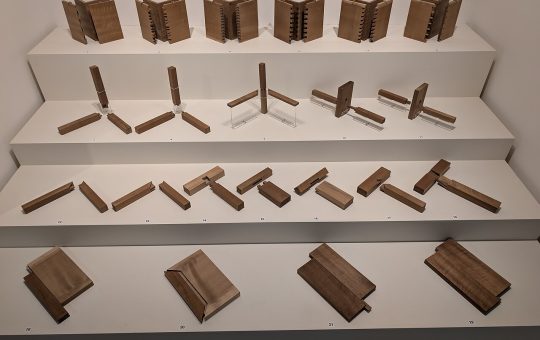
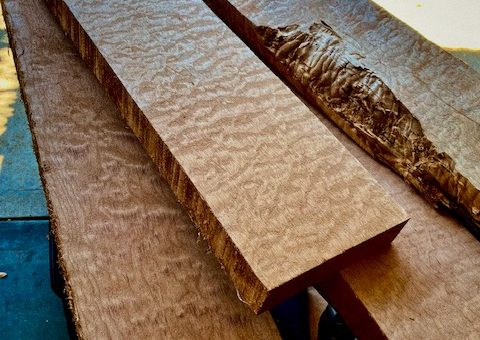
It is useful to have books and videos but it’s not quite the same as seeing wood work. You can handle the wood, check the grain and look closely at joinery.
To assist you in planning the visit you will find:
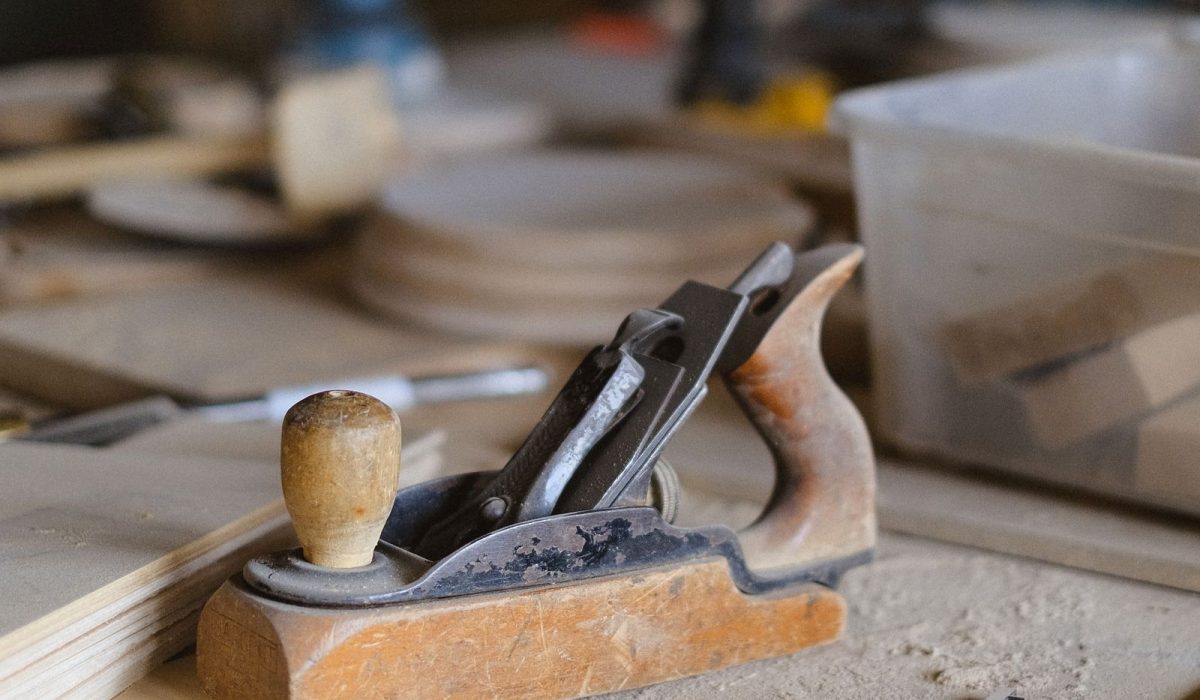
- A hands-on examination of tools prior to the purchase of tools.
- Demonstrations of techniques in real life situations.
- Opportunity to gain insight from practitioners into practice
- Using new project and design ideas
- Information on local classes, clubs and guilds.
Firstly, you’ll have an idea of what you wish to do woodworking. This can be quite useful when making a decision on your first Project and Tools you will be using.
Main Types of Woodworking Shows and Exhibitions
All events are not equal. If you have the types you know, then you can select the appropriate one according to your skill.
Trade Shows
The other big trade fairs are mostly targeted at professionals and/or manufacturers such as AWFS Fair in the USA or Ligna in Germany. They consist of equipment, software and technology of the industry.
These events can be exciting, but they may not suit beginners. For ticket information and who can attend, check the official site.
Hobbyist and Consumer Shows
These events suit hobbyists and beginners. They are usually run by woodworking shops, hand tool dealers or lumber yards. They are generally well organised and welcome new woodworkers.
Design and Craft Shows
They are geared towards the product and not tools. You will find out about the designing, finishing and presentation processes of makers. Handmade items will be available for sale and information about the skilled will be provided.
Local Club Shows
Wood clubs (woodworking and wood turning) typically hold a show or open day. They’re non-threatening and it is a great option to make connections with mentors.
What to See at a Show
There are several points that have come to light as being common in the average woodworking exhibit, or show:
- Exhibits: The tools from the tool vendors, Lumber dealers and finishing supplies are showcased on the vendor’s booth.
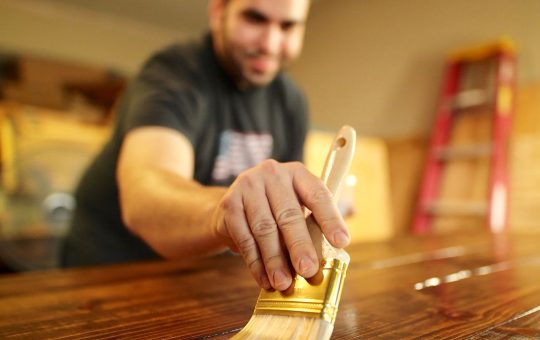
- Live demonstrations: The live demonstration of the sawing, planing, carving, turning or finishing technique by experts.
- Workshop/talk: Mini demonstration of a skill or a topic.
- (Finished) work is exhibited at shows of finished products: Makers – furniture, sculpture and decorative work.
- Club tables: Exchange of information between local groups on meetings & membership.
This may vary for each event, please refer to the schedule before travelling.
Planning Your First Visit
A bit quicker and less expensive to plan a bit ahead of going to woodworking shows and exhibitions.
- Check the schedule. List the demonstrations and talks that you are interested in going to.
- Confirm ticket details. For official information on details about the event, including entry rules, opening and prices, please refer to the official event page.
- Set a goal. Select from either of the learning options – Tools comparison or ideas.
- Set a budget. Don’t leave without taking a look at any goods you like.
- Write down questions. How to do things and how not to, such as what tools are suitable for first time use, as well as the process of sharpening the chisel.
When there are lots of options and it’s full, a simple plan will help to keep you on track.
What to Bring
There are a few things that will make this day somewhat easier, but you don’t have to have lots of these things!
- Comfortable footwear, because you will be walking and standing a lot.
- A notebook or phone for notes and pictures.
- A list of the tools you already own.
- A reusable bag for brochures and small items.
- Water and a snack.
- Some cash, since small sellers may prefer it.
Tips to Get the Most Out of the Event
When woodworkers shows and exhibitions are most hectic, exhibitors may be looking for you to talk to them. Try and visit during a less busy time of day or the day.
- Walk around the whole store prior to buying anything. This will enable you to make a decision and not rush in to purchase. Get back to the booth/demos that you were most interested in.
- Watch demonstrations closely. Watch for the person’s hand position and the positioning of the work piece and his/her body. It’s the little things that are the most difficult to glean from text.
- Avoid taking pictures of projects without permission from the maker or booth unless it is interesting; and take pictures of interesting projects. Write the name of the maker – for reference.
New to the craft? Start with woodworking for beginners and some easy woodworking projects before you shop.
Talking to Exhibitors and Buying Tools
Many new woodworkers are afraid of asking questions. Do not worry. The aim of exhibitors is to pass on their knowledge.
Be honest that you are a beginner. Ask about options you can afford and feel comfortable with. Useful questions include:
- What would you suggest as a first project?
- How do I use and store this tool?
- What are the warranty and return terms?
- Is there an easier or cheaper way to do this?
If a seller pressures you to buy, walk away. A good seller will understand that you need time to think it through.
Buying Tools and Materials: What Beginners Should Know
Woodworking projects, shows or exhibits can easily go over budget! However, there are deals that may be available in certain events, but only when it’s actually necessary to the product.
Utilize the same instrument in several stands. Test in your hands. The return is subject to change – please check prior to purchase.
As you begin, it would be helpful to have some basic equipment to get started: A handsaw, chisels, a combination square, clamps and sharpening tools. If you’re sure which type of project you’ll be working on, and you have the space, large equipment can be bought.
Compare tools before buying; our guide to power tools for a workshop lists what is worth owning first.
Common Mistakes Beginners Make at Woodworking Shows and Exhibitions
These are some of the things that can put a damper on your visit:
- Purchasing high dollar equipment prior to when it is needed. Be familiar with some basic information about the subject.
- Skipping demonstrations. These are likely to be most of the most fascinating aspects of the activity.
- Absence due to no intention to attend. Without direction it’s easy to lose your way.
- Not asking questions. There are several things that you can learn from exhibitors which can help you save some money.
- If a follow up is not carried out. As soon as you use them, there’s no more useful notes and contacts.
Finding Shows Near You and Using What You Learn
How to Find Woodworking Shows Near You
In other words, type your city or area into the computer, and then do a search on the internet for ‘woodworking show’ or ‘woodworking exhibition’.
Also highly recommended are the following:
- Local woodworking clubs and guilds, which often meet in community centres.
- Local tool and woodworking shops, and woodworking magazines.
- Local makers’ social media groups.
Before heading to the official event page to purchase tickets, it’s best to verify the date, venue and guidelines of the event. Specific information will be different each year.
Putting Show Ideas into Practice
The real value of a woodworking show comes after you go home. While the details are fresh, read through your notes.
Choose a small project, such as a box or cutting board, that you saw and liked. Try the technique from a demonstration. Find out if there is a local club and go to a meeting.
Show-day excitement becomes real skill through steady practice.
Final Thoughts
Seeing tools, wood and woodworkers in action is the best part of woodworking shows and exhibitions. They help you avoid bad purchases, pick up project tips and find a community to join.
Your first visit does not need to be perfect. Pick one event, write down the questions you want answered, watch the demonstrations and spend wisely.
Most important, of all, take that knowledge to your work bench! This is just a taste of woodworking shows and exhibitions. When it comes to the actual work, it doesn’t begin until you start using the tool, get your hands dirty and get to work.
FAQs
What are woodworking shows and exhibitions?
At these times, people exhibit their products, methods and instruments. They are able to see demonstrations, meet people producing the products and try them out for themselves.
Are woodworking shows suitable for beginners?
Yes. They can help you to learn tools and techniques first-hand and they can also answer your questions and find classes or clubs. Easy shows, Hobbyist shows or Local club shows.
Do I need experience to attend?
No. The majority of the events are suitable for all grades. Always review the event’s website, as there may be entry requirements for those events that are geared toward business.
Can I buy tools at a show?
Often, yes. A large number of vendors are in the vicinity selling tools and materials. Purchase some items, ask to return and budget!
How long should I stay?
This will be dependent on the size of the event. Smaller shows may be just a couple of hours in length and larger shows could be a full day in length. Take into account schedules and plan ahead for demonstrations you would like to participate in.