By learning how to choose flooring for every room in your home, you can save yourself some money, time and regret. What works well in the living room, may not work in the bathroom. It might be a good idea to have a soft carpet that feels great in the bedroom, but not in the kitchen.
The following guide is designed to be easy to follow. You’ll discover what to look for before you purchase, how the various flooring types compare and which types are suitable for each room.
Why One Floor Does Not Suit Every Room
Each room has a specific role to play. Kitchens have spills and lots of people walking around. Bedrooms must be comfortable and quiet. Dirt, water and grit is trapped in entryways by shoes.
This is why it is best to match the flooring with how the room will be used daily, rather than matching a style you might like.
If you select one material for the entire home, that will only work if it can stand up to the toughest room. Many homeowners opt to combine 2 or 3 materials instead. This results in a higher performance and, in many cases, cheaper price.
Five Questions to Ask Before You Shop
Prior to comparing samples, answer the following questions. They make how to choose flooring for every room much easier.
1. How Much Moisture Will the Floor Face?
Floors in bathrooms, laundry rooms, kitchens or basements must be water resistant. Typically, tile and waterproof vinyl are used. When wet, solid hardwood and standard laminate can be more prone to swelling and warping.
2. How much foot traffic will it get?
A hall is used much more than a guest room. Look for hard-wearing surfaces, like porcelain tile, quality vinyl plank or tough hardwood, in high traffic areas.
3. How comfortable do you want to be?
Hard floors are cold and firm to the feet. Carpet, cork and vinyl with a soft backing will be warmer, more cushioned. Bedrooms and areas where you stand for extended periods of time are where comfort is most important.
4. What is Your Budget?
Don’t forget to include the cost of installation, underlayment and removal of old flooring, in addition to the square foot cost. Sometimes materials can be less expensive, but more expensive in the long run due to wear out.
5. What Style Do You Want?
Consider your wall colors, furniture and natural light. Wood-look floors are ideal for most kitchens. Stone-look tile is suitable for contemporary and classic homes. Use light colors for small rooms and dark colors for floors to accentuate dirt and pet hair.
Popular Flooring Types at a Glance
Let’s take a quick glance at the most popular choices. Use it as a starting point in how to decide flooring for each room.
Hardwood
Not sure which wood to pick? Read about hardwood vs softwood. Hardwood is classic, warm and can be sanded and refinished multiple times. Does not like standing water or excessive humidity changes. Engineered hardwood has a plywood core with a real wood top layer. More tolerant of moisture changes than solid wood.
Laminate
You can obtain the wood or stone appearance at a low price by laminating it. Scratch resistant and easily installed. Please note that standard laminate is not waterproof; please be aware of product specifications before using near water. Some laminates have an AC rating from 1–5. The higher the number the greater the wear resistance.
Luxury Vinyl Plank and Tile
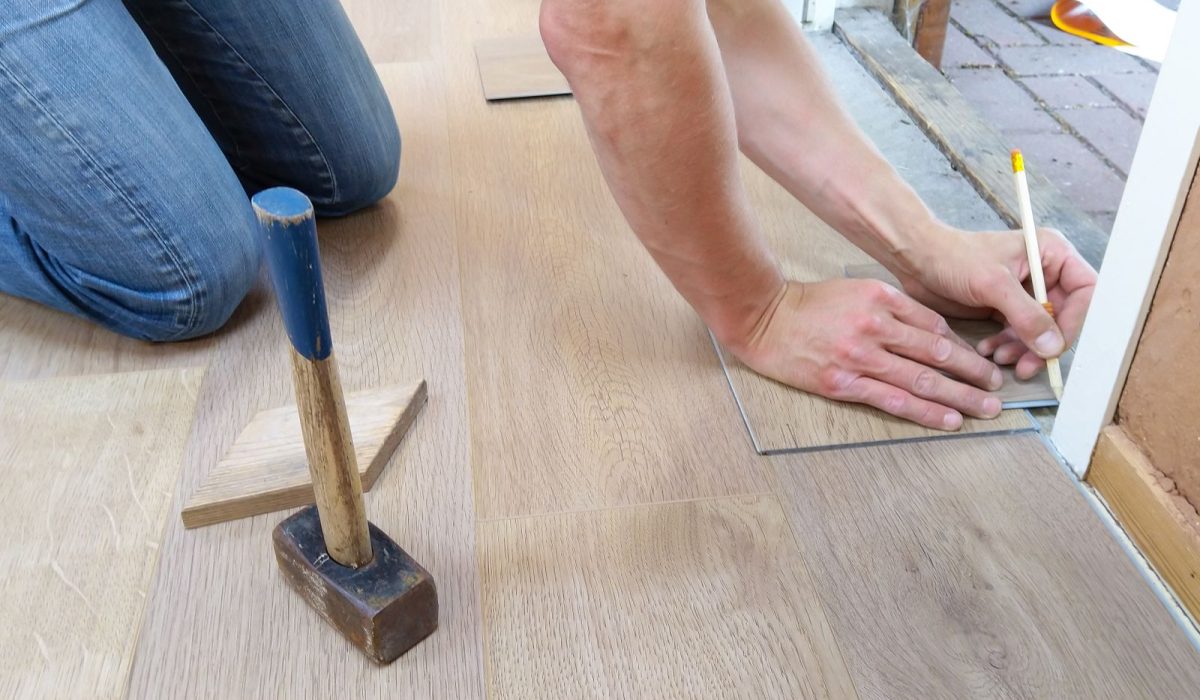
Known as LVP or LVT, luxury vinyl is a common choice for many products as it is waterproof, durable, and comfortable underfoot. Wear layer (Mils) protects the surface. The thicker the wear layer, the longer in busy homes.
Ceramic and Porcelain Tile
Tile is hard, durable, and suitable for areas and applications that are wet. Porcelain is denser than ceramic and water is hardly absorbed. Although tile can feel cold, it is an ideal choice for radiant floor heating.
Carpet
Carpet is comfortable, cushioned, quiet and warm. It is suitable for bedrooms, family rooms. Retains dust and stains better than hard floors and must be vacuumed more often. Look for low-emitting products; the EPA explains VOCs and indoor air quality.
Cork
Cork feels cushioned and absorbs sound. It is suitable for use in playrooms, home offices and kitchens, if sealed appropriately. May chip when furniture is placed on it.
How to Choose Flooring for Every Room: A Room-by-Room Guide
Well, let’s use all of these to each area, and so, how to choose flooring for every room becomes a thing of practice.
Living Room
There’s a happy mix of appearance, comfort and durability in living rooms. All hardwood, engineered wood, laminate and luxury vinyl plank are suitable. For a warm look, place a carpet on hard floors.
Kitchen
There’s walking, dropped items and spills around the kitchen. Porcelain tile and luxury vinyl plank are good options. Water repellent and easy to clean. Those who love the esthetic properties of wood should opt for a waterproof wood-look vinyl or a well-sealed engineered wood.
Bathroom
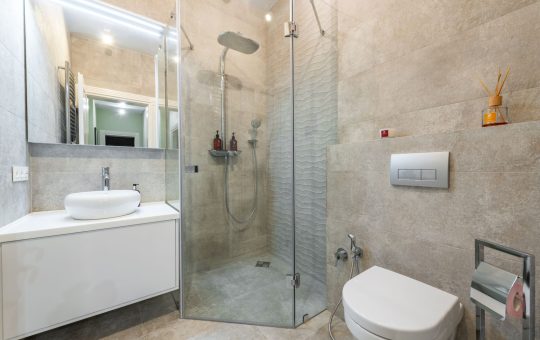
The primary concern is with the water. The standard choice is porcelain tile, and waterproof vinyl is another great (and warmer) choice. Choose a textured coating for grip. Check the label, many standards recommend a dynamic coefficient of friction (DCOF) of 0.42 or more for interior level floor surfaces that could get wet.
Do not use carpets or hardwood floors in bathrooms.
Bedroom
In this case, comfort is the top priority. Carpet is warm and quiet, many people favor to be able to walk on in the morning. For easy cleaning or allergies, engineered wood or vinyl are good options. A soft rug by the bed helps to balance out hard floors.
Hallway and Entryway
Dirt comes in the most frequently and wear occurs in these areas. The load is carried by porcelain tile and maintenance-free, durable vinyl plank and hard wood species. A good doormat will stop grit from scratching the floor. If you know how to pick flooring for each room, Give your toughest material to these rooms.
Basement
Moisture and temperature changes are possible in basements. Waterproof vinyl and porcelain tile can be used. Do not use solid hardwood that is beneath the surface. Test for moisture; use adequate underlayment or subfloor as required.
Laundry Room
Lots of leaks and splashes occur. Both tile and waterproof vinyl are good options. Use a water-resistant and easily-cleaned floor surface.
Home Office
If you’re using a rolling chair, look for one that’s comfortable and quiets down. Chair mats keep them safe, though hardwood, laminate and vinyl are all viable. A practical choice is carpet tiles as you can swap them out with the affected tile if it gets stained.
Stairs
Stairs must be both grip and strength. The carpet provides grip and absorbs sound. Wood stairs are attractive, but can become slippery if not treaded or finished with a non-slip material. Obey local safety regulations for choosing stair materials.
Tips for Creating a Smooth Flow Between Rooms
Different floors are okay, but still connected. They come with these simple tips to help.
- Use a consistent colour tone. Warm shades of brown or cool shades of gray are good options for floors in rooms that share similar colors.
- Limit your materials. Two or three kinds throughout the house generally appear cleaner than five.
- Use transitions wisely. The quality strips or thresholds safeguard the edges of floors where they meet.
- Try to match heights, if possible. A flat surface is more secure to use and appears more refined.
These steps can make the process of selecting a floor for every room much easier since one choice leads to the next.
Common Flooring Mistakes to Avoid
Even the most conscientious buyers make mistakes when it comes to picking flooring for each room. Be aware of these:
- Ignoring moisture. Before using a product in a wet area, refer to the water rating of the product.
- Skipping samples. Colours are different in your own lighting. Put some samples on the ground and observe them throughout the day.
- Forgetting the subfloor. No matter how good your floor, an uneven or wet subfloor can destroy it.
- Purchasing because of the price. Take into account lifespan, warranty and maintenance.
- Failure to read care directions. Certain floors require special cleaners. The incorrect product can cause the finish to become dull or damaged.
Final Thoughts
How to choose flooring for every room is quite easy: pick the floor type that fits the room function. Consider water, traffic and comfort. Introduce style and budget.
It doesn’t have to be one perfect floor throughout the house. Some select materials, in the right places, in the right combinations will be attractive and durable. This is the first rule of choosing flooring for each room. Request samples and test your home; follow manufacturer’s recommendations for each room.
Planning a bigger project? Use our home renovation checklist, and see the best wood finishes for furniture if you refinish wood. Take time, ask questions and select flooring that will last a lifetime. These steps will help you make the decision to choose flooring options for each room with ease and confidence. Now you know how to choose flooring for every room with confidence.
FAQs
How to start with how to select flooring for each room?
Start with use of each room. Take note of moisture, foot traffic, noise and comfort requirements, and establish a budget. If you have these, then you can rule out 2 or 3 materials and compare at home.
Do I need a different floor in every room?
Not always. One material can work throughout the home if it suits your most challenging space. Waterproof luxury vinyl plank is one of the most popular flooring options for all-home flooring due to its ability to resist moisture and wear. It’s still very common to combine materials, for example carpet in bedrooms and tile in wet rooms.
What kind of bathroom flooring should you install in your bathroom?
These two options are the most reliable: porcelain tile or waterproof vinyl. Both resist water. Use a textured or slippery surface for safety.
Are hardwoods a good choice in kitchens?
But it can be, if it’s cared for. Spills may injure hardwood; clean up promptly. Engineered wood or vinyl that looks like wood is more easily maintained.
What are some options for low budget flooring?
Laminate, vinyl offers good appearance at a lower price. Consider installation and underlayment expenses and budget them, and pay attention to the high-traffic areas first. In addition, by knowing the ideal flooring choice for each room, you can save money on rooms that don’t require high-end flooring.