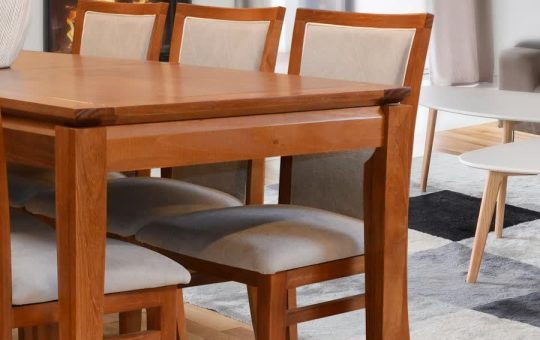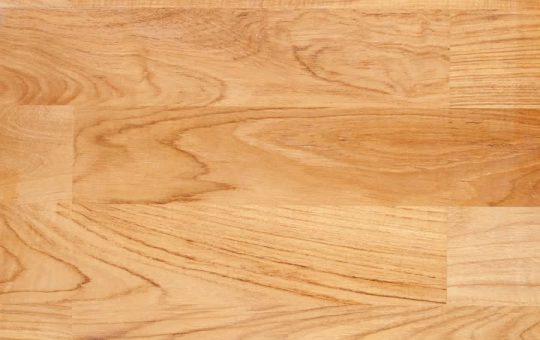
Acacia wood is used in a variety of natural products such as furniture, floors, cabinets and ornaments. It is noted for the appealing grain features, rich colors and strength. It is a natural product and can be used in a contemporary or modern interior design.
Knowing its properties and benefits, its restrictions, and how to keep it in good condition are crucial for determining whether or not to use it in a residential or commercial building. Introduction to acacia tree, how it grows, its common uses etc.
What is Acacia Wood?
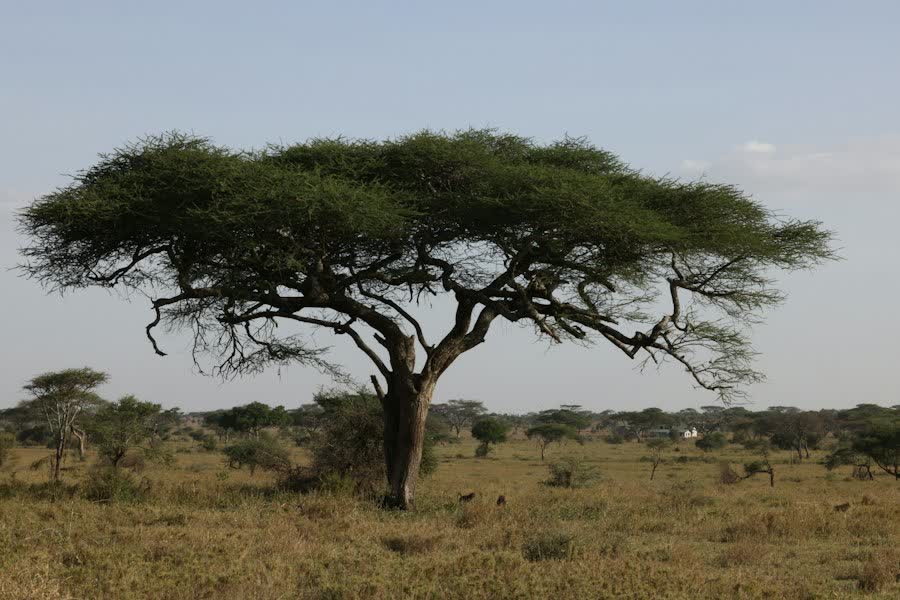
Acacia wood, the term used for wood from trees of the Acacia group, which comprises numerous species from all over the world. These are trees that are found in warm climates like Africa, Asia, Australia and other areas.
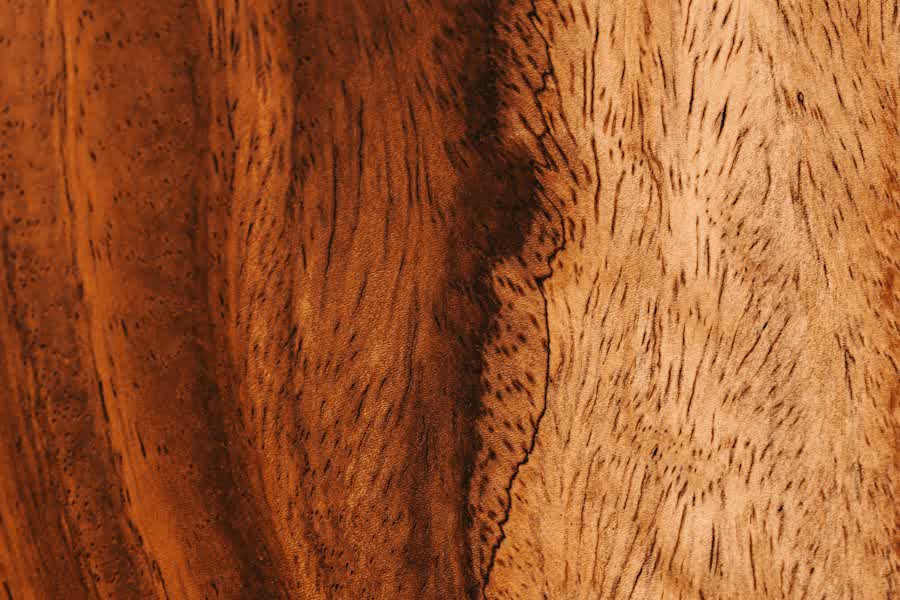
The timber is mostly of hardwood species. Its characteristics, however, vary depending on the species of the tree, its growing conditions and processing.
When people ask “What is acacia wood?”, they are interested in furniture and interior products which are crafted from very hard and beautiful grained acacia wood, and has a very distinct texture. You can also read The Wood Database for additional expert advice.
May be golden brown, reddish brown or darker in chocolate brown. Additionally, attractive grain and color varieties exist for some varieties.
The primary properties of Acacia wood are listed below.
This can assist the buyer when he is aware of the physical characteristics, then it can help him to select the one that will fit in his projects.
1. Strength and Hardness
The timber of many species of Acacia makes good wood. This allows for use in furniture, flooring and other applications that can accomplish good structural performance.
But, species do not have the same hardness and strength. A timber inspection for the actual grade of the timber will need to be done before purchase.
2. Natural Durability
Naturally decay- and insect-resistant are some of the species of acacia. This may lead to their being suitable for use indoors and outdoors.
Protection varies however with different varieties. The drying, finishing and maintenance activity remains important.
3. Attractive Grain Patterns
The primary benefit is the natural grain that is included. Patterns may be straight, wavy or irregular due to species and/or individual tree.
The patterns are also used in furniture and floor which also give it a unique look without the need of artificial furniture designs.
4. Color Variation
Timber has two natural colours – light golden brown, and medium/brown, reddish.
It can also fade in color due to exposure to light and will fade over time based on the finish it has been treated with.
5. Density and Weight
For furniture there are lots of varieties that are comparatively dense and heavy as compared to the lighter furniture woods. This can help to improve the product’s texture and durability.
The additional weight can also be an installation problem when transporting and installing.
Uses of Acacia Wood
This is wood that is utilized in several industries because of its physical characteristics and its appearance.
1. Furniture Manufacturing
It is most commonly used in furniture. It is used by manufacturers for making dining tables, chairs, beds, wardrobes, shelves and coffee tables.
A natural wood with a nice finish for furniture. It is also dense, suitable for products which are used on a regular basis.
2. Flooring
The floors may be solid or engineered and Acacia wood may be used in hardwood flooring materials. Certain ones are beneficial with respect to surface wear and damage.
Therefore, depending on the species used and its moisture content, the performance is dependent on other factors such as the quality of installation and the protective finish.
4. Kitchen faucets and appliances.
Used for kitchen cabinets, work tops and decorative wooden surfaces. It comes in a range of natural colours, that can match different kitchen styles.
When it comes to countertops, nothing is more important than sealing them up — unfinished wood will deteriorate from water and moisture.
4. Outdoor Furniture
There are also trees that are hardwoods, and can be used for garden furniture, benches and patio tables.
The species should be selected for the specific application and appropriate protective finishes should be used if the species is used outdoors. Regular maintenance to minimise moisture damaged areas.
Adhesive and Wood Products
Also utilized by craftsmen for small household accessories, decorative panels, serving trays, wooden bowls and cutting boards.
The grains of the products make them a head-turner.
Pros and Cons of Acacia Wood
Decide what might be used, identifying and weighing the advantages and disadvantages of using acacia wood.
Advantages
- Appearance: Grain colours and variations will make an attractive appearance.
- Strong growth: Many varieties have a good strength and can be used for furniture and flooring.
- Wear resistance – Dense varieties may be available that will be wear resistant.
- Various uses: used for furniture, cabinets, flooring and decorative products.
- Finish options: May be prepared as a number of different finishes based on species and preparation.
Disadvantages
- Problems of quality: There is a variability in quality among species; they vary in hardness, density and durability.
- Moisture sensitive: Unfinished wood that is not well dried can be susceptible to moisture and warping.
- Not easily transportable or manipulative: heaviness of some varieties.
- Outdoor products need to be adequately covered and/or maintained.
- Initially expensive: Some higher quality materials for acacia furniture and flooring can be expensive.
Here are the steps for keeping an Acacia Wood
Maintenance is crucial to make sure that it is in great shape and will last long enough to look good.
Wash and dust regularly: Use soft, dry or slightly damp cloth to clean up dust and dirt.
Prevent standing water: clean up spills immediately to avoid standing water damage.
Use the manufacturer’s recommendations on finish: Oil, wax or protective finish as recommended by manufacturer.
Stay away from furniture constructed of wood near hot surfaces: Don’t play with direct heat.
Protect outdoor furniture: Ensure outdoor furniture is durable and cover any outdoor furniture that is exposed to extreme weather conditions for extended periods of time.
Also note that the maintenance is dependent on the use of the timber and where it is used.
Can Acacia Wood be used for furniture?
Yes, it’s a material that can be used for furniture; there are many varieties with desirable grain appearance, hardness and strength properties.
It is excellent for such furniture as tables, chairs, cabinets and bedroom furniture. However, prior to buying, it is important for buyers to do their own research to determine the type of wood, quality of construction, moisture content, and finish.
When learning about Acacia wood for furniture, it’s not only about the wood name, it’s also about the quality and suitability of the wood itself to be used for furniture.
Related reading: hardwood vs softwood furniture, best wood finishes for furniture, easy woodworking projects.
Final Thoughts
Acacia is a tree, which is naturally occurring and is very attractive, strong and useful for several purposes. If it’s of good quality and the right species, it can make an excellent furniture, flooring, cabinet and decorative material.
If you have a clue what acacia wood is then you can help to ensure you’re not buying for aesthetics. Before buying, be sure to verify the species, moisture, construction and finishing.
If selected correctly and cared for properly, acacia wood can be a beautiful and useful material to use within buildings, whether it be in residential construction or in the construction of buildings.
FAQs
What is acacia wood used for?
Some of the common furniture uses include furniture, flooring, cabinets, decorative uses, and kitchen uses, some of which are outside applications.
Which of the following is a hard wood or a soft wood: Acacia wood?
It is either considered hardwood or softwood depending on where it comes from the trees of the broadleaf legume family. Each species has its own body characteristics.
Will the acacia wood last in water?
No. Not 100% waterproof. While there are good natural durability varieties, unfinished timber can absorb water. It’s best to protect it.
Would you rather have acacia wood or oak?
Not necessarily options that are desirable. Both have various characteristics. Acacia is variable between species and oak also comes in various varieties. When it comes to appearance, cost, and longevity and use, there are no clear-cut answers.
What will need to be done to sustain acacia wood?
Yes. It is regularly cleaned and spills are cleaned up promptly and properly preventing deterioration of its appearance and performance.