So what is pressure treated wood? It is treated lumber that has been subjected to pressure and has been impregnated to resist attack of decay fungi and insects.
Lumber is loaded into a closed cylinder during treatment. Air can be removed and then preservative can be added and forced into the wood under controlled pressure. The treatment will extend the life of the wood in wet conditions but will not make it waterproof or maintenance-free.
What is meant by pressure treated wood?
Industrial treatment vessel is used to load wood. A vacuum or pressure cycle can draw the preservative into the wood.
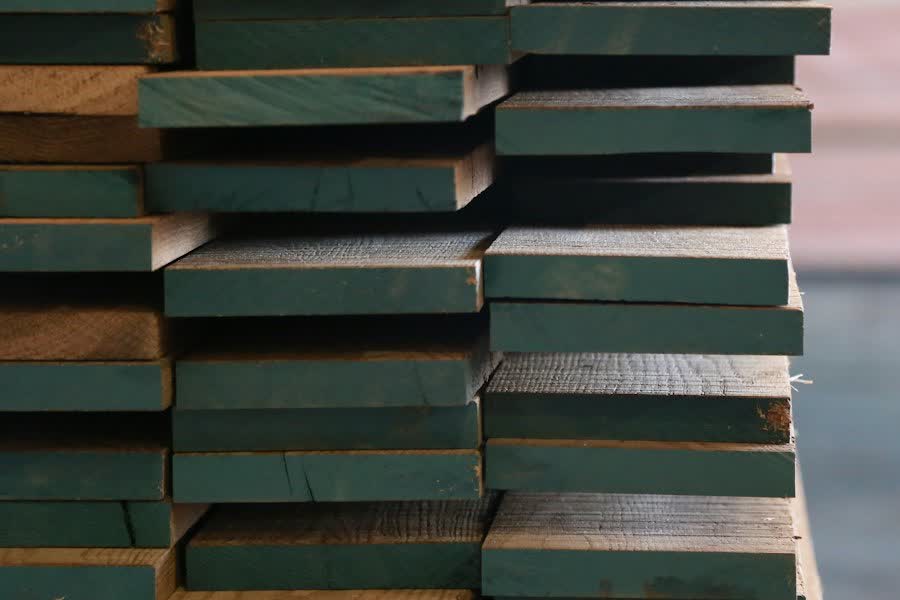
Typical preservatives are alkaline copper quaternary (ACQ), copper azole (CA) and micronized copper systems. These are effective at repelling fungi and insects. The end tag specifies the treatment and uses that are approved. It also provides an understanding of what pressure treated wood is rated for.
Where is Pressure Treated Wood Used?
Pressure treated wood is used in the following typical applications:
The joists and posts of the deck frame must be at least 6 inches away from the house.
A fence and fence posts.
Outdoor stairs, pergolas and garden structures
Retaining walls and landscape timbers
Some marine or fresh water structures, specifically rated, and some foundations and poles.
Not all boards are appropriate for all locations! Products may be approved for different levels of treatment for above ground, ground contact and water exposure. When determining what is suitable use for pressure treated wood, determine the project and the corresponding label. For more practical guidance on this topic, see the U.S. EPA.
Is Pressure treated wood safe?
Modern consumer grade treated lumber can be used safely, if it is used in approved applications, and handled and installed according to the manufacturer’s recommendations. Yet preservatives are pesticides, thus fundamental precautions are essential when working with what is pressure treated wood.
Use gloves when working with lumber. When cutting or drilling use eye protection and a suitable dust mask or respirator. Do the work outside if possible, do not inhale sawdust, and wash exposed skin after work. Ensure that dust and offcuts are not near food, animal feed and children’s play areas.
Avoid using treated lumber in a fireplace, stove, barbecue or open fire. When burned, hazardous chemicals may be found in smoke and ash. Never use for cutting, as a countertop or food contact surface without specific approval. Dispose of as per local guidelines.
Is it safe to use pressure treated wood indoors?
Pressure-treated wood is safe to use for some applications in the interior of buildings, but this varies by preservative, label and application. Not all boards that are sold for outdoor use are suitable for indoor use. Use with care in buildings, see product instructions and local building regulations.
Kiln dried lumber is usually preferable for ordinary use in furniture, cabinets and other ornamental uses.
Does Pressure Treated Wood Need to Be Sealed?
Understanding what is pressure treated wood helps to eliminate confusion that preservative treatment does not prevent water absorption, surface checking, fading or weathering. A suitable finish can help to lower moisture absorption and enhance cosmetic appeal.
Do not finish until the lumber is dry according to the instructions given. Apply in accordance with coating manufacturer’s directions and ensure compatibility with the preservative.
How long will pressure treated wood last?
In each project, the pressure treated wood life is different. The service life will vary depending on the species of wood being treated, the preservative system, treatment retention, the exposure, and installation and maintenance practices. Lumber designed for use on the ground is intended for different use than lumber only rated for above ground use.
Avoid standing water, drainage, appropriate fasteners and post and structural connections. Copper-based preservatives are corrosive to metal, so use recommended corrosion resistant fasteners.
How to Choose the Right Treated Lumber
If considering colour, then look at the end tag when selecting pressure treated wood. It should contain information on the preservative, intended use and treatment information. Choose lumber for above ground, ground contact or water contact as appropriate.
Structural work: adhere to local building codes. Do not use an above ground board instead of a ground contact board because of their sizes.
Related reading: DIY deck maintenance tips, hardwood vs softwood furniture, best wood finishes for furniture.
Final Thoughts
Knowing what is pressure treated wood is can make it easier for the buyer to pick the right kind of lumber for use in outdoor or moisture exposed applications. Preservatives retard decay and insect damage.
The material’s performance will be determined by the proper selection of the treatment rating, installation and maintenance over time. Read end tag; use and dispose of according to instructions; do not assume that the material is waterproof or appropriate for all uses. If chosen and applied properly, it can last long enough to be a good remedy for decks, fences, posts and other approved uses.
FAQs
1. What Is pressure treated wood waterproof?
No. It is not used to prevent water penetrating the wood, but to protect against fungal decay and insect attack. Moisture can be controlled with appropriate finishing and drainage.
2. Can you paint or stain pressure treated wood?
Typically, yes, as long as the lumber is dry enough and the coating is compatible. Please adhere to the instructions of the wood supplier and finish manufacturer.
3. Is it safe to touch pressure treated wood?
Unless there is some other quality problem with the lumber, exposure to normal conditions is acceptable for approved uses. It makes sense to wear gloves when handling the surface and to wash hands afterward; particularly if the surface is dusty.
4. Can pressure treated wood be used for a garden bed?
Note: Not all of what is pressure treated wood is suitable for use in a garden bed; it depends on the chemical used in the treatment and on the use. Read the instructions on the product label and local advice, especially when growing food. If it does not affect drainage, a suitable barrier can minimize the amount of direct contact between the soil and the water.
5. Is pressure treated wood safe to be burned?
No. Do not burn in a fireplace, stove, barbeque or outdoor fire. Eliminate scraps as per local requirements.