When it comes to making furniture, wood plays a very important role as it has different strengths, durability, look and cost. A popular option is rubberwood because of its use in furniture manufacturing, good looks and utility. So, what is rubber wood?
If you want to know about rubber wood, you should also learn its origin, characteristics, uses and durability. Although rubberwood sounds like it’s of rubber, it’s not. Made from the rubber tree, Hevea brasiliensis, the main source of natural rubber.
Once these trees are not producing latex, the wood can be logged and utilized for producing furniture and other wooden products.
What is rubber wood?
Rubberwood is a hardwood from rubber trees, grown in the tropics. This tree is commonly planted throughout the southeast Asian countries, including Malaysia, Thailand and Indonesia.
The timber of rubber trees that are grown specifically for latex is known as rubberwood, which is a plantation timber. After the trees have ceased production of latex they can be utilized as timber.
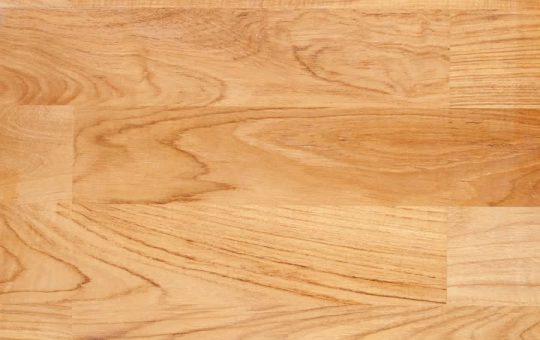
The color of the wood is light cream, pale yellow or straw-brown. It is generally fairly even and straight or slightly interlocked grain.
By knowing about rubber wood, buyers will be able to appreciate why it is often employed in contemporary furniture production. It is not synthetic and is a true hard wood. The Wood Database also offers helpful background reading on this subject.
What are the methods of Rubberwood production?
There are a few significant steps in the manufacturing of rubberwood.
1. Tree Harvesting
Rubber trees are tapped when the commercial value of latex production decreases, which is considered to be mature trees.
2. Cutting and Processing
The logs harvested are then carried to the sawmills where they are being converted into boards, planks etc. of the required sizes.
3. Kiln Drying
Rubberwood is supplied moisture in fresh rubberwood. The drying process is carefully monitored to ensure less moisture, and less shrinkage, cracking, and warping in the manufactured product.
4. Preservation Treatment
Rubberwood is moderately susceptible to fungal and insect disease. Preservation treatment guarantees its protection from biological damage.
5. Furniture Production
Lastly, the ready timber is cut, shaped, sanded, joined and finished to create a variety of wooden products.
Rubberwood has the following main characteristics
To determine whether this wood is a good choice for furniture, it’s essential to understand its physical characteristics.
1. Natural Appearance
The natural colour of rubberwood is light, from pale cream to light brown. Due to its look, it can be used for modern and traditional designs in furniture.
2. Medium Density
The air-dry density is 560-640 kg/m³, which may be affected by growing conditions and quality of the timber.
3. Easy Workability
Rubberwood can be cut, drilled, sanded, shaped and joined with the normal woodworking tools. Also, it is suitable for proper paints, stains and finishes.
4. Moderate Strength
The properly seasoned rubberwood can be applied for numerous household furniture applications. However, its performance will be dependent on timber quality, size and structure.
5. Moisture Sensitivity
Rubberwood is also sensitive to moisture and humidity similar to all natural wood products. It requires sufficient drying and protective finishing to be able to operate for long periods.
What are the uses of Rubber Wood?
Rubberwood can be used in various ways in furniture production and interior decoration.
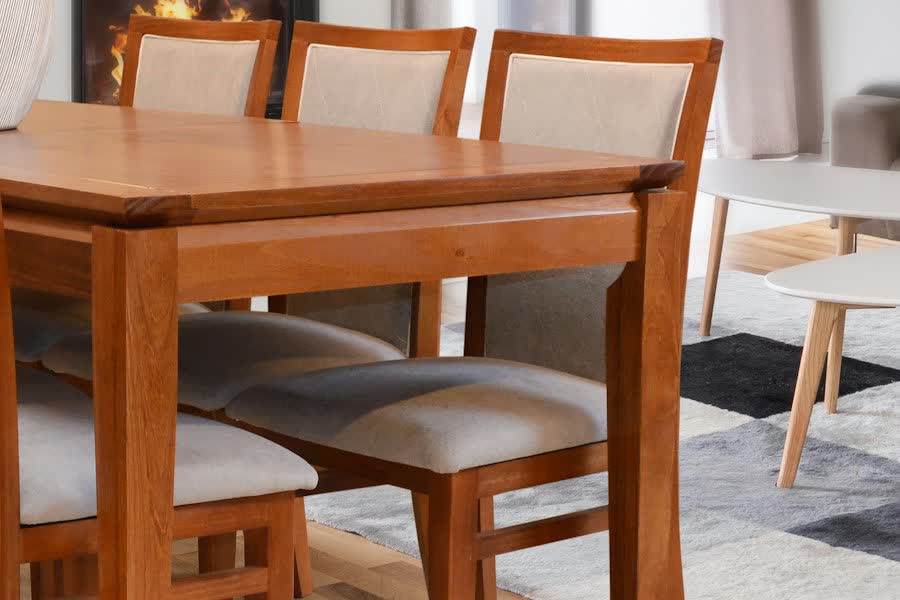
1. Furniture Manufacturing
One of the most popular is furniture. It is used by manufacturers to make:
Chairs and tables for outdoor dining.Table and chairs for outside use.
Bed heads and bed frames.
Wardrobes and cabinets
Storage units, bookshelves
Office and Oak table.
2. Kitchen Accessories
Used to make cutting boards, trays for serving food, wooden bowls and other household items. Food-contact products need to have proper food safe finishes.
3. Flooring
It can be used for some types of indoor floorings, such as solid and engineered rubberwood floors, for the best quality rubberwood.
4. Interior Decoration
It is used for decorative panels, shelving, mouldings and for interior use generally by manufacturers.
5. Household Products
Rubberwood can also be used for toys, decorative items, and smaller items used in the home.
Is Rubberwood Durable?
When buying wooden furniture, one of the most crucial factors to consider is its durability. Properly dried, treated, manufactured and maintained, rubberwood can be put to good use for daily indoor use.
But, mechanical strength is different from natural durability.
Mechanical strength is the resistance of wood that is applied physically. Natural durability is the ability of a timber to resist decay, insects and fungi.
Rubberwood possesses good rubber properties, and is also more resistant to biological damage than other common species. Lack of treatment can cause deterioration of timber in damp conditions.
The concerns that should draw the buyers’ attention for long term use are quality of drying, preservation treatment, protective finishing etc. of rubber wood furniture.
How long will a Rubberwood Furniture last?
Each product of rubberwood has a different life span. It has a service life that is related to:
Original timber quality
The quality of the dried and treated products.
Furniture construction
Indoor humidity conditions
Suitable maintenance and cleaning schedule.
Quality furniture, with proper care can last for a long time. But badly treated wood that is subjected to too much moisture can deteriorate exponentially faster.
Advantages of Rubberwood
The rubberwood has several advantages which make it popular for furniture making.
1. Affordable Material
It may be a competitive price with some high quality hardwoods, making it a sensible choice for furniture.
2. Resource Efficiency
Harvesting timber from rubber trees after they have lost their ability to produce latex is utilising the rubber plantation resources.
3. Attractive Appearance
It is light in color, and has a fairly even grain, which makes it perfect for various types of furniture.
4. Easy Processing
Can be cut, shaped, sanded and finished according to standard woodworking techniques.
6. Made of wood or metal. Can be used indoors as furniture.
The rubberwood, treated properly, can be used for tables, chairs, beds, cabinets and shelves.
Disadvantages of Rubberwood
While it has its merits, rubberwood has a few drawbacks as well.
The ability of the wood to resist decay.
Rubberwood can deteriorate through fungal decay and insect attack especially when moist.
Do not use outdoors:
When rubberwood is not suitably protected it can be damaged by rainfall, humidity and exposure to direct sunlight. Usually makes good indoor furnishings.
3. Requires Proper Drying
Well seasoned wood is likely not to shrink, crack or warp, but if it is poorly seasoned, it may do so over time.
4. Quality Variations
Final quality is dependent on the quality of the timber, its manufacture, preservation treatment and construction.
How to Maintain Rubberwood Furniture
It is important it is kept in good condition so that it lasts as long as possible and in a good state of repair.
Wipe regularly: Dust with a soft cloth, dry cloth or slightly moistened cloth.
Prevent over-wetness: Wipe up spills of liquid as soon as they happen and move furniture away from damp places.
Apply appropriate polish: Select furniture polish or other protective products that will not harm the furniture finish.
Avoid direct sunlight: Colour and surface finish will be influenced by direct sunlight.
Inspection frequently: Check for insects, loose joints and cracks.
There are a few simple steps that can be taken to keep rubberwood furniture in excellent condition.
Related reading: hardwood vs softwood furniture, best wood finishes for furniture, simple wooden bookshelf.
Final Thoughts
Rubberwood is a useful plantation hardwood what is rubber wood has several uses in the modern furniture industry. The furniture made of it is much in demand for indoors due to its looks, utility, easy manipulation and also its pocket friendly price.
By knowing the nature of rubber wood, buyers can make better decisions before buying wood products. It has a few advantages but its relatively low natural resistance to moisture, fungi and insects must not be ignored.
The best results can be obtained by selecting well dried, treated and well constructed furniture. When the proper conditions are provided and maintained properly, rubberwood can be used to satisfy the needs of the home.
FAQs
Which is the raw material used for the preparation of rubber?
The wood of the rubber tree (Hevea brasiliensis) is called rubberwood. Most trees are grown for natural latex production and if production of natural latex decreases, the timber can be harvested.
What are the characteristics of hardwoods?
Yes. Rubberwood is a tropical hardwood tree. Real wood, not man-made or plastic.
What is rubber wood ?
Rubberwood is a type of hardwood obtained from rubber trees, mainly used to make furniture, cabinets, flooring, and household products.
Is rubberwood waterproof?
Rubberwood doesn’t have to be waterproof. Protective coatings can be used to improve surface protection, but after longer exposure to water, the surface can still be impacted.