When you’re confronted with all the options, you may think choosing a cutting board is a simple task. All wood, bamboo, plastic, and composite boards are great choices. When you’re a fan of the real wood look and feel, one thing quickly crosses your mind: is acacia wood good for cutting boards?
Yes, it may be a good option for home kitchens in most cases. Acacia is hard, attractive and typically inexpensive. However, it is not suitable for all. This guide details the advantages, disadvantages, food safety and care information so you can make an informed decision.
Can you use Acacia Wood for cutting boards? The Short Answer
Acacia is a good choice for daily use in cooking. A hardwood that is dense and useful for chopping, slicing and serving. It is also more resistant to moisture than most of the soft woods.
There are trade-offs. Acacia is harder than other board woods, and may cause a slight dulling of knives. It should also be oiled and washed periodically. If you’re willing to take on those minor responsibilities, it’s a good value to get acacia.
Therefore, does acacia wood make a good cooking wood in a genuine kitchen? The answer is probably yes if you are looking for a long-lasting, attractive and affordable board. Family Handyman also offers helpful background reading on this subject.
What is Acacia Wood?
Acacia is a large family of tree and shrub. They are native to Australia, Africa, Asia and America. Many kitchen boards are from fast-growing plantation trees, helping to keep prices down.
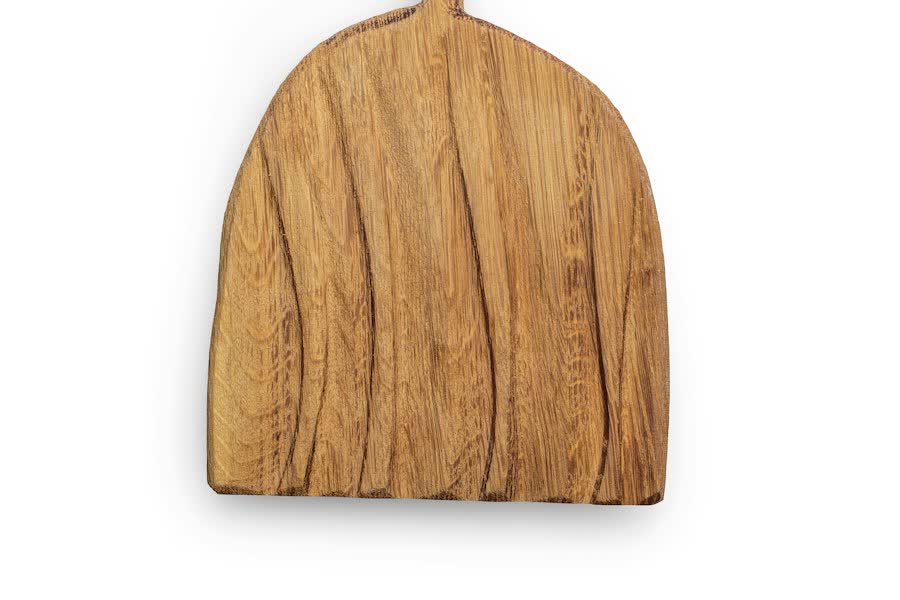
The heartwood can be a rich chocolate to golden brown. Is commonly wavy in grain and dark in coloration. There are numerous species, so each board is slightly different. It’s in the fun itself.
Main Benefits of Acacia Cutting Boards
Now that shoppers are asking is acacia wood good for cutting boards, these are their benefits.
Strong and durable. Acacia is an evergreen tree. A quality board can withstand many years of daily chopping without significant damage.
Good moisture resistance. The wood is naturally oiled and tight. It absorbs liquid at a slower rate than a number of softwoods. This will help to keep the board from swelling, but will not make it waterproof.
Does not scratch easily on hard surfaces. Knife edges are easier to handles on wooden boards than on glass, stone or ceramic. That will make a difference if you find sharp blades important.
Beautiful appearance. Acacia board is a nice counter top accent. It’s also perfect to use as a cheese board or bread and fruit board.
Fair price. Acacia boards generally can be more affordable than high quality boards like thick end-grain walnut or maple boards. Lots of style for the price.
Drawbacks to look out for before purchasing
There’s no such thing as a perfect board. And here are the main disadvantages of acacia.
Can cause hard knocks on knives. More dense woods can dull the edges quicker than softer woods, particularly on edge grain boards. Regular good knife sharpening helps.
It needs upkeep. A dry board may crack or become dull. Healthy with regular oiling.
It can warp. Wetness or board being soaked or washed in a dishwasher can cause cracks and bending.
Quality varies. On some budget boards, numerous small pieces are glued together. Splitting can occur as a result of weak glue lines, or rough finishing.
It can be heavy. Thick acacia boards are strong, but may be difficult to lift and store.
The benefits cannot be cancelled by these points. They just seem to be more important when you’re asking yourself whether or not acacia wood makes a good cutting board for a heavy-duty use.
Which of the other cutting board woods is easier to carve than acacia?
The Janka scale is used to measure wood hardness. The higher the number, the tougher the wood. The variance depends on the species but most acacia boards are in the range of 1,100 to 1,700 pounds force.
For comparison, hard maple is about 1,450. Black walnut has a density of approximately 1,010. American cherry is about 950. So acacia is near maple, and is more difficult than walnut or cherry.
That’s why so many people who ask the question “is acacia wood good for cutting boards?” are actually concerned about their knives. Harder wood will wear an edge quicker, but will last longer. For the least “grindy”, search for an end-grain board. End-grain construction is easier on knife edges than is edge-grain construction, because the wood is arranged with its fibers facing up.
Acacia Wood – Is it a Good Material for Cutting boards for food safety?
Yes, if the board is properly finished and cleaned. Acacia is commonly used for making kitchenware like boards, bowls and kitchen utensils. A bigger question is the finish, the glue and your cleaning practices.
Use boards that are treated with mineral oil, beeswax or a similar material that does not come in contact with food. Never use boards that have unknown varnish or sealant. For products that don’t specify food safety on the label, ask the seller.
Any cutting board that isn’t cleaned thoroughly can have bacteria left in the grooves of the knife. Wash your acacia board with hot, soapy water after each use. Rinse, wipe and allow to dry upright. Many also have two boards, one for raw meat and one for ready to eat foods.
Acacia vs. Bamboo, Maple and Plastic Boards
Acacia vs. bamboo. Bamboo is a grass normally bonded together with adhesive. Hard and inexpensive. Acacia tends to be more natural and luxurious.
Acacia vs. maple. The traditional cutting board wood is maple. It is fine, light and has a long track record. Acacia is patterned with a bolder pattern and is usually less expensive.
Acacia vs. plastic. The main advantages of using plastic are that it is light, inexpensive and may be dishwasher-friendly. Others often ask in relation to the question of whether acacia wood is good to use for cutting boards than plastic? Plastic is the better choice for raw chicken and easy clean up. Acacia is easy to look after and looks and feels great for daily use and on the table.
Who’s a good fit for an Acacia cutting board?
Acacia board is ideal for home cooks who prefer a hard, visually appealing board and are okay about hand washing. If you get many visitors, is the wood of acacia suitable for making cutting boards? Yes, as the same board can be used from prep to table.
May not be recommended for those who prefer a board that can be placed in the dishwasher. It could also be less desirable if you are using very fine knives. If so, a softwood or end-grain board might be appropriate.
Take care of an Acacia cutting board
The longevity of your board is dependent on caring. Depending on the treatment, the question of whether acacia wood is suitable for cutting boards can be answered in the affirmative.
Hand wash with warm water and gentle soap.
Do not wet the board nor place into the dishwasher.
Dry it immediately and keep upright.
Use mineral oil on food-safe surface when it appears dry. Repeat this a few times in the initial weeks.
Apply a beeswax mixture or board butter occasionally for additional protection.
Use coarse salt and lemon to help remove odors and stains from the board.
Gently sand heavily cut scratches, then re-oil surface.
Avoid placing near heat sources or intense sunlight. Both can cause the wood to dry and crack.
Choosing a good Acacia cutting board
Can acacia wood be used to make boards of all grades? Not always. These are a few simple checks that you can do to select well.
Check the finish. Check for oil or wax finishes that are safe for food.
Inspect the joints. Glue lines must be both tight and smooth.
Select appropriate thickness. Thicker boards will be less warped and more solid.
Check out helpful elements. For meat and fruit a juice groove is helpful. Add safety by including rubber feet or a non-slip base.
Think about sourcing. If sustainability is important to you, choose responsibly sourced wood, like boards carrying the FSC certification.
Related reading: hardwood vs softwood furniture, best wood finishes for furniture, easy woodworking projects.
Final Thoughts
Acacia strikes a balance between durability, beauty and price. It is moisture resistant, looks great and can serve as a prep board or a serving board. The main disadvantages, apart from additional wear on the knives, are its requirements for maintenance.
So, is acacia wood good for cutting boards? Yes, it is for most consumers of home-cooked food. Choose a sturdy board that has a food-safe finish, wash it by hand and oil it frequently. Do so, and your acacia board will remain useful and attractive for many years.
FAQs
Is acacia wood good for cutting boardssuitable for making everyday cutting boards?
Yes. It is very hard and heavy, and can be used for daily chopping and slicing. Simply hand wash and oil it regularly.
Can acacia wood be used for cutting boards used for raw meat?
If it’s cleaned thoroughly after use, it’s okay to use it for raw meat. But a lot of cooks like to use a different plastic board for raw meat as it is easier to sanitize.
Does acacia wood give a dulling effect to knives?
It is hard, so slightly softens knives. It is still softer than glass or stone. If you use your knives regularly, they’ll stay sharp.
May I Dishwasher an Acacia Cutting Board?
No. The wood can crack, warp or split from heat and prolonged water exposure. Hand washing is the safest way.
When and how often should I oil an acacia cutting board?
Mist it as often as when the wood appears dry or light in colour. For many, it’s approximately once monthly. Oil might need to be changed more often for a new board initially.