Beautiful wood is hidden beneath old paint. However, if done in a rush, the surface can be scratched, grain burned, or stains will be difficult to repair. If you know how to remove paint from wood without damaging it, it will save some time, and preserve the piece.
The great thing is, there is no need for any special skills. The correct technique, a certain amount of patience and simple safety equipment are required. This step-by-step instruction guide will help you get rid of paint on wood without fear of making a mess.
Check the Paint and Wood First
When applying paint to wood, try to spend a few minutes to examine the material you are removing.
Begin by considering the age of the paint. Lead-based paint was phased out as consumer product in the United States in 1978, so it may be found in older homes and furniture. If this is your piece, you should use a lead test kit first if it is prior to that time. NO DRYING OF SANDING OR PAINT FIRING WHEN TEST IS POSITIVE. Seek the help of a certified lead professional instead.
Next, look at the wood. Solid wood is capable of more work than veneer which is a thin layer of wood over another material. The sanding process of veneer is very fast and it requires more care to be sanded. For more practical guidance on this topic, see the U.S. EPA.
Lastly, try your technique in a secret location. A small test is performed to view the reaction of the paint and the appearance of the wood below.
Gather Your Tools and Safety Gear
Good preparation is essential to the safe removal of paint from wood. Place in a well-ventilated area and place a drop cloth over the floor.
You will need:
- A correctly chosen respirator for the work (chemical fumes or fine dust)
- Chemical-resistant gloves & safety goggles
- Rounded edged putty knife and plastic scraper.
- Old tooth brush and soft nylon brush
- Fine sandpaper (120 to 220 grit)
- Clean rags and container to place used materials.
Some chemicals can make rags fire hazards – see product label for disposal instructions.
Method 1: Use a Chemical Paint Stripper
Chemical stripper is the most convenient method of removing paint from wood without much hard scraping for many projects. It’s a product that takes care of the hard work and requires less effort to be applied to the surface.
Select a gel or paste. These adhere to vertical surfaces, remain moist for longer. Citrus or soy-based strippers also have lower fumes and are less harsh, but they take longer to work. Solvent-based strippers will strip faster, but require strong ventilation. Read the label as many older strippers had methylene chloride, which is no longer allowed for use by consumers.
Follow these steps:
Apply an even thick coat in one direction.
Follow the label directions for time. Don’t allow it to dry out.
Scrape a small space using a plastic scraper to test it out. If it comes out easily, proceed.
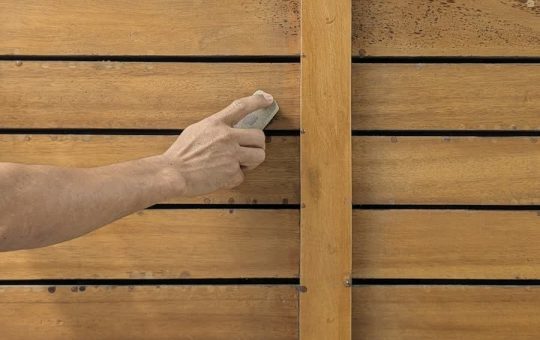
Gently scrape with the grain.
Do not press harder, repeat on stubborn layers.
Use the cleaner that is suggested by the label, normally mineral spirits or water, to clean the wood.
This slow process which is not too fast, is a reliable method of stripping paint from wood and not gnawing it.
Method 2: A Careful Use of Heat Gun
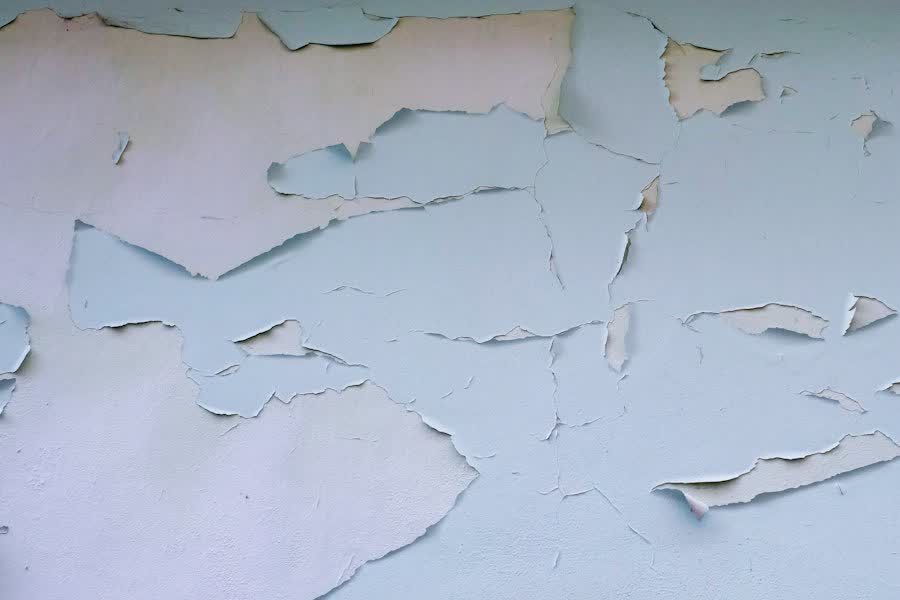
Old paint will bubble and peel when heated. It will strip the paint off wood in no time on a flat surface like doors and trim.
Adjust the gun to low or medium setting. Maintain a few inches of distance from the surface while keeping it in motion. If the paint starts to show bubbles, remove the paint immediately with the grain. If the wood darkens or starts to smoke, stop!
Heat has limits. Please refrain from using on lead paint. Do not use near glass, thin veneer or glued joints, as heat may cause the glued joints to become loose. Have a fire extinguisher handy and avoid using a heat gun over flammable stripper residue.
Method 3: Sand Thin Layers Gently
Sanding is most effective if the paint is thin or if you have stripped and are filling in after. Do not use it as the first method to remove paint from wood in thick coats since paint will clog the sand paper and uneven wearing of the surface can occur.
Use 120 grit and then build up to 180 or 220 grit for a smooth surface. Always sand with the grain. Sanding block on edges to keep edges crisp. Use a dust mask; do not dry sand lead containing paint.
Method 4: Use mild products on small areas
Not all the jobs require a robust product. Fresh water-based paint can be removed by using warm, soapy water and soft cloth. If the latex is in small dried patches, use rubbing alcohol on a rag to soften the paint and then remove it using a plastic scraper.
These mild products are valuable for removing paint from wood surfaces such as trim, furniture and finished floors without harming the finish around the paint stain. Test first, as some finishes can be “tired” by alcohol.
How to Remove Paint from Wood in Corners and Carved Details
Damage frequently occurs in detailed areas. Soft grooves and sharp edges can be cut by metal tools.
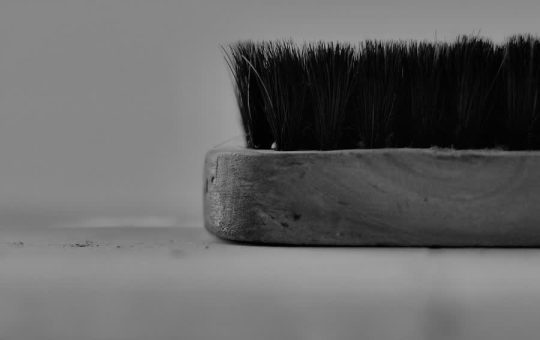
Remove softened paint from carvings with stiff nylon brush or toothbrush. A dull plastic tool or a wooden dowel can get to a narrow area. Stripper will also work with bronze wool or synthetic pad. Do not use ordinary steel wool as the small pieces may stain on some woods and rust.
Common Mistakes That Damage Wood
The majority of the damage is caused by haste. Be aware of following issues:
Skidding, which causes scratches, marks and furrows in the grain.
Employing a sharp, metal scraper at an inclined angle
Allowing stripper to air dry on the surface.
Soaking the wood in water, which may swell the wood or loosen veneer.
Not using the test spot
The pressure is applied to the skin rather than repeated, as it is when a treatment is repeated.Hard pressure as opposed to repeated treatment
Allow the product time to take effect; reduce speed. When it comes to removing paint from wood safely, this is the most important tool.
Clean and Prepare the Wood After Stripping
After the paint is removed, clean up all paint residue. Leftover stripper or paint can block stain and result in blotchy stain.
Wipe down surface according to the instructions on the product label and allow the wood to dry completely. Lightly sand with 180 to 220 grit sanding paper, in the direction of the grain. Use a tack cloth or slightly moistened rag to dust.
Inspect in good light, wood. There might be some stains or shadows in the grain that are faint. Slightly sanding or a second application of stripper will help. Following this, it is ready to be stained, oiled or painted again.
Choose the Best Way to Remove Paint from Wood
It varies from piece to piece.
Gel stripper and soft brushes are most useful for carved furniture. A heat gun or stripper are good tools for flat doors and trim. If the coatings are thin, they may require only a light sanding. Use the least aggressive stripper and do not heat or use heavy sanding for delicate veneer.
If you aren’t sure, go with the lightest option. It’s always possible to go up a level later but you can’t undo any damage.
Smooth Job Tips
This is so that the stripper doesn’t dry out before you get to it to scrape.
Scrape regularly to keep old paint from scratching wood.
Rest, refresh and rehydrate, particularly when using chemical products.
Use the temperature instructions on the label; some strippers are not effective in cold rooms.
These are small techniques that help you to remove paint from wood without causing any damage to the wood’s surface.
Related reading: best wood finishes for furniture, power tool safety tips, home renovation checklist.
Final Thoughts
Removing paint from wood without causing damage is simply a matter of patience, the proper technique and proper safety precautions. Test first, work with the grain and let the stripper or heat do the work. So,how to remove paint from wood?
Use the easiest that will work for your project. Work on small areas, use plastic tools, and thoroughly clean the wood before using it. You can strip paint from wood, and reveal the natural beauty beneath, with a calm pace and careful steps.
FAQs
How to remove paint from wood safely?
A gel stripper with a plastic scraper is generally the most safe. Does not require heat and heavy sanding; the grain remains protected. Wear fresh air moving through the area, wear a respirator and gloves at all time and work with fresh air.
What is the best way to Strip paint off wood without chemicals?
Yes. Chemical free alternatives are a heat gun and careful sanding. Both require special attention and neither works with lead paint. They may be able to clean with warm soapy water if the paint is fresh water based.
How much time should be spent on the wood after stripper application?
Use your product following the label. The amount of time required is variable and can range from a few minutes to several hours, depending on the type of paint and the number of layers of paint. Avoid drying on surface.
What will the wood look like after removing paint from wood?
Sometimes. Old wood may have stains, patches or darkened areas and paint will leave some faint color in the grain. Sometimes a light sanding will balance out the appearance. A test spot will provide an indication of what to expect.
Can you remove paint from wood in an old house?
May be, but test for lead first. If lead is involved, do not use dry sanding or open flames, and get a certified professional to do the job. For children and pregnant individuals, safe handling is all important.