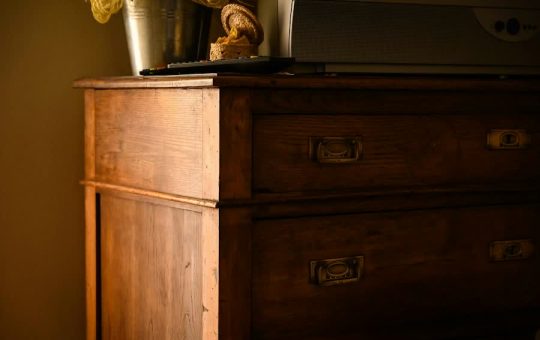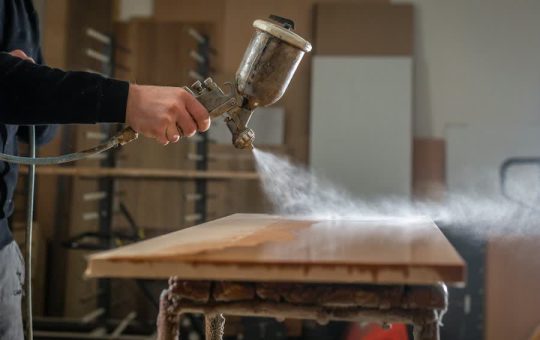
There are beautiful woods beneath the old paint. A worn out dresser, a dull door or a scratched table can all look like new toys after the layers have been stripped away. This is why many do-it-yourselfers are looking for the proper method on how to strip paint from wood.
Three effective ways to remove paint on wood are listed in this guide: chemical stripper, heat gun and sanding. You will also discover what tools you can use, how to be safe and how to prepare the floor for a new finish.
It’s easy, but patience is important. It is recommended to read each section first and then choose the best method for your project.
Why is proper paint removal important?
Removing paint is not a monochromatic affair. With the care taken, the wood is kept and your next finish is provided with a clean base. The rushed job may gouge the surface and scorch the grain or give off harmful dust and fumes.
Don’t paint over peeling, chipped or thick paint. When it’s removed, stain and sealer or fresh paint can cling to it.
The best results are obtained when you select the best technique for the piece, rather than the quickest technique.
Tools and Materials You Will Need
Prepare your materials beforehand. Some of these may not be necessary for all methods, but this is a good list for most jobs:
Chemical paint stripper (modern low fume paint stripper) or a heat gun
Plastic scraper and a metal putty knife
Chemical resistant gloves, safety goggles and respirator.
Disposable brushes
Sandpaper, 80, 120 and 220 grit and a sanding block.
Fine steel wool or non-metal abrading pad
Drop cloths, clean rags and metal container for wastes.
Mineral spirits or water (as specified on the stripper label)
Safety First: Test for Lead Before You Start
Test for lead prior to stripping paint off wood in an older home. Older homes, constructed prior to 1978, could potentially have paint that contains lead in the United States. Lead dust is a poisonous substance, particularly to children and pregnant women.
If you are unsure, use a lead test kit or have it tested by a certified professional. Never dry sand, dry scrape or burn paint that contains lead. Older paint may be more easily removed using chemical stripping, but the residue must be handled with care. Please note local rules for safe disposal.
There are some simple guidelines for all types of paints:
Work in a well-ventil area, preferably outside or in the open door.
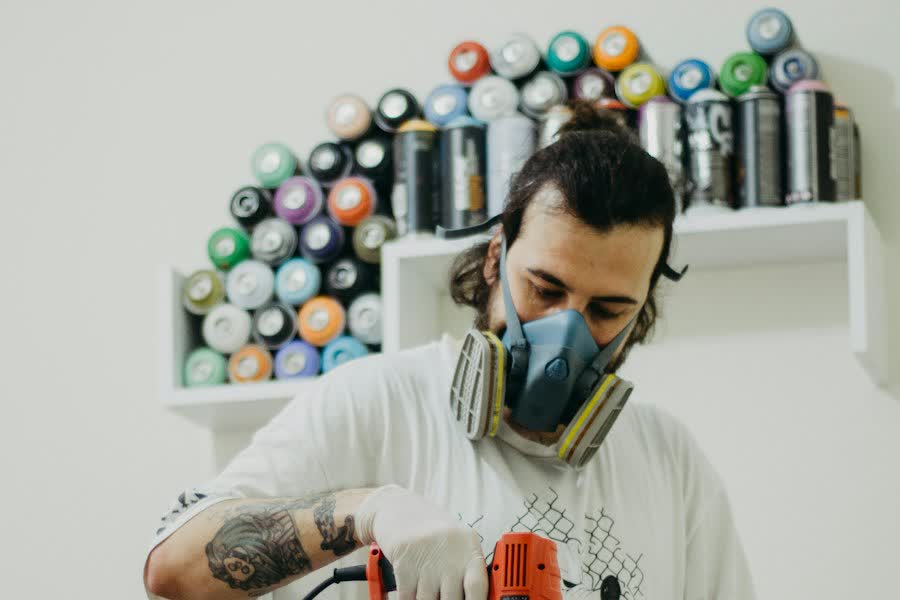
Use gloves, goggles and a respirator protective of the product or dust being used.
Do not allow children, pets or food near the work area.
Follow all instructions on the product label.
How to Strip Paint from Wood with Chemical Stripper
A chemical stripper is often the best choice for carved, curved or detailed wood. It makes the paint “soft” so that it can be easily removed without much effort.
Be careful of the product you choose. Methylene chloride-based strippers are prohibited from being sold to consumers in the U.S. due to their significant health hazards. Find alternative formulas and carefully read the label. You can also read Bob Vila for additional expert advice.
The first simple steps are:
Cover floor and take off knobs, hinges and hardware.
Apply a generous amount of paint in a single direction. Do not over-brush.
Wait until the time indicated on the label. The paint should have bubbles or wrinkles. Plastic wrap over the stripper is permitted for some labels to help keep stripper moist.
Scrape gently with a plastic scraper, going along the grain.
Repeat on all layers that do not budge rather than hard scrap.
Use the cleaner recommended by the label, such as mineral spirits or water, to clean the wood; allow to dry completely.
It takes patience here. Soft woods such as pine may be dented by pushing too hard with a metal tool.
How to Strip Paint from Wood with a Heat Gun
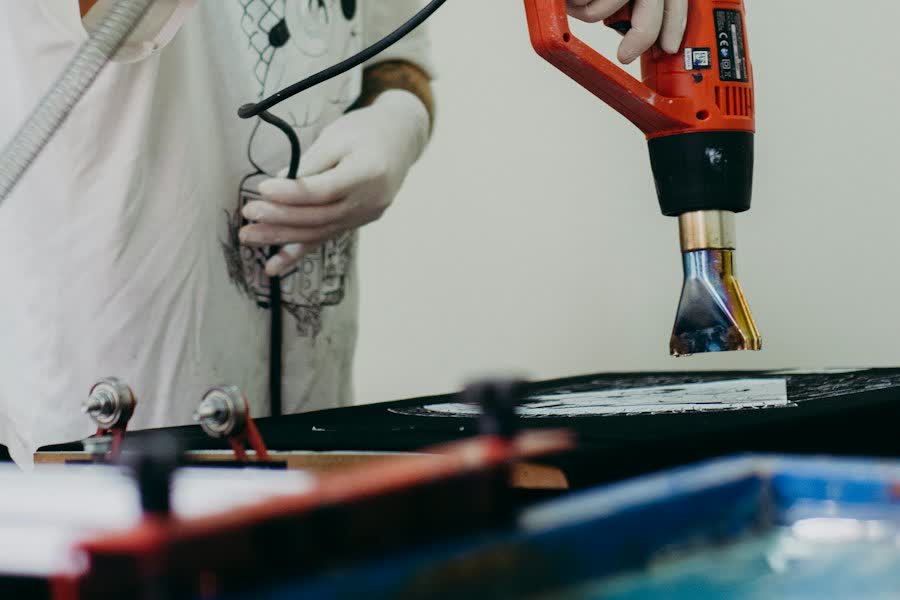
A heat gun is used to soften paint using hot air so that it bubbles and flakes off. It is suitable for flat surfaces like doors, trim, tabletops, and will not use a liquid chemical.
Avoid using a heat gun on paint that may contain lead. This is not a good technique to use on fragile furniture because the hot water can melt the glue on veneer and joints.
Follow these steps:
Use a low or medium setting on the heat gun.
Keep it slightly above the surface and slowly drag it.
If the paint begins to bubble, use a putty knife to remove the paint before it hardens.
Do not let the gun catch fire, so move the gun around.
Use in small sections and allow the tool to cool before storing.
A heat gun is a fire hazard! Have a fire extinguisher handy, remove anything flammable and do not leave the fire extinguisher unattended. Also nearby windows may crack when heated, so be careful about protecting windows.
How to Strip Paint from Wood by Sanding
The sanding method is most effective in thin films, for small areas and for the final smoothing. It’s a not great first choice for thick old paint due to the paper filling up quickly and the dust produced during the job.
Do not use a sanding sponge to remove paint contaminated with lead.
Follow this easy procedure:
Wear protection goggles and fine dust respirator.
Use 80-grit sandpaper to get rid of most of the paint.
Smooth out scratches by moving to 120-grit.
Use 180-220 grit to get a clean surface.
Sand with the grain, edges sanded with sanding block.
Vacuum dust and use tack cloth or damp cloth to clean the wood.
Go easy on veneer. This top layer is extremely thin and can be sanded right through to the next layer.
What is the best method for your project?
The right choice will be determined by the piece and the paint. Follow this handy reference guide:
Carved or detailed furniture: chemical stripper.
Flat doors, trim and large boards requires chemical stripper or heat gun.
Thin paint or final smoothing – sanding.
Veneer or antiques: a light chemical stripper with a test done first in an inconspicuous area.
Test the method you have selected in the smallest possible, concealed area. If you still don’t know how to remove paint from old or valuable wood products, consult a furniture restoration expert.
Take off Paint from Grooves, Corners and Carvings
The more intricate the pieces are, the more difficult it will be to strip the paint from the wood, as scrapers will not have access to every curve. A little assistance from a few small tools.
With an old toothbrush, a wooden skewer or a soft brush made of brass, lift softened paint from paint grooves. Use soft steel brushes to prevent any scratching of wood. In hard-to-reach areas, use fine steel wool that is dipped in the stripper’s recommended cleaner.
Apply the work slowly and often when you need to remove loosened paint, do so slowly before the paint dries back into the grain.
What to Do After You Strip the Paint
When you have mastered the technique of safely stripping paint off wood, it becomes much easier to finish. This is a crucial step and cannot be missed as it determines the final output.
Wipe off all residues and allow wood to dry thoroughly.
Examine the grain to see if there are any paint residues on it; if there are, clean them off.
Use wood filler to fill holes/dents and allow to set.
Lightly sand with an 180- to 220-grit paper.
Use a tack cloth to remove dust.
Stain, seal or paint blotch susceptible woods such as pine with wood conditioner.
Common Mistakes to Avoid
If you’re a beginner, you can speed the process up, but it’s mostly a matter of patience to learn how to strip paint from wood properly. To reduce the following common errors:
Avoiding the lead test for older paint.
Failing to wait long enough for stripper to do its job.
Scraping along or ploughing in with metal tools.
Use the heat gun in one place – can burn the wood.
Using excess water which can cause an increase in grain.
Failing to perform the test patch.
Dumping used rags and stripper waste in the regular garbage. Dispose of according to label directions and local regulations.
Related reading: power tool safety tips, best wood finishes for furniture, home renovation checklist.
Final Thoughts
It’s not as difficult as it sounds, and you know how to strip paint from wood, as long as you use the proper technique and are patient. Chemical strippers are appropriate for detailed work, heat guns for flat surfaces and sanding for thin paint and final smoothing.
Safety comes first. Use an old paint lead test kit, wear protective clothing, gloves and dust mask, and follow the instructions on the paint product label.
Lightly sand, seal and paint with the appropriate sealant/paint. If you are patient, you will have wood to look at again.
FAQs
Which is the simplest way to remove wood paint?
A modern chemical stripper is the simplest method for a beginning gardener. The stripper works best, and requires minimal effort, to begin with a small project, so you can learn how to strip paint from wood.
Is it possible to remove paint from wood without using a chemical?
Yes. To remove paint from wood without chemical use, it can be done with a heat gun or sanding. Both are effective on non-lead-based paint, but require more work and care than a stripper.
What is the time it takes paint strippers to do their job?
This varies depending on product, number of paint layers and temperature. Some strippers require less than 1 hour, others will require several hours. Always read and follow the label directions.
Can you peel old paint off of wood?
It can be, but if you do the right things. Test for lead first, use well-ventilated work areas and wear gloves, goggles and appropriate respirator. Use a stripper that is free of methylene chloride; dispose of waste per local rules.
Is it possible to remove paint from wood furniture without harming it?
Yes, with care. For stripping paint off wood furniture, the best way is to use a gentle chemical stripping agent, plastic scraper and test patch. Do not sand excessively or use excessive heat (particularly on veneer and antiques).