After a glue-up, the next question woodworkers typically ask is, how long does wood glue take to dry? The answer matters. Early movement or stress on a joint may cause it to slip, shift or fail later.
Wood glue takes about 30 minutes to 1 hour to cure under clamps, in most cases. It will be maximally effective after about 24 hours. However, the actual duration varies depending on the glue, the environment and the wood. Here, each factor is explained in simple terms for you to plan your project with confidence.
How many hours does it take for wood glue to dry?
Typically, the clue on the PVA wood glue label will specify 30 to 60 minutes of clamping for common PVA wood glues like Titebond Original, Titebond II and Titebond III. Completely cured in about 24 hours.
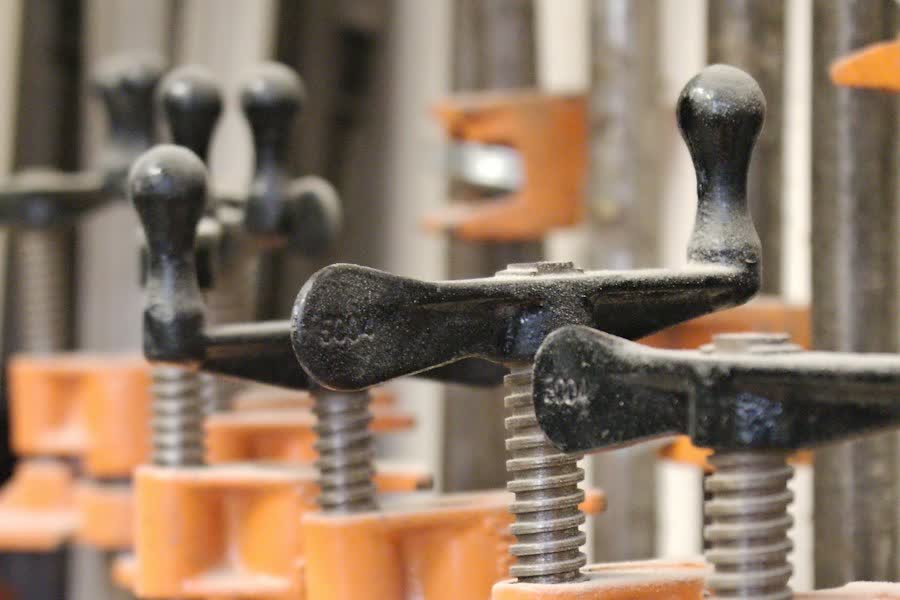
The following is a basic mnemonic:
Open time: approximately 5-10 minutes, to set up parts
How many minutes does it take to clamp? About 30 to 60 minutes
Full cure: 24 hours or more
Always read the bottle. Times vary between brands, products and label is best.
The 3 Stages of Wood Glue Drying
The terms dry, set and cure are used interchangeably by lots of people. They do not. The stages answer most of the questions about the question of how long does wood glue dry.
Open Time
The time available for spreading the glue and connecting the pieces is called open time. It is a short window for most PVA glues – typically about 5 to 10 minutes.
From then on, glue begins to peel off and fails to hold. If it’s a large frame or a complicated assembly, either work quickly or select a glue with a longer open time. For more practical guidance on this topic, see Bob Vila.
Set Time (Clamp Time)
The length of time the joint is subjected to pressure is known as clamp time. At this time the glue is not firm for heavy use but it is firm enough to hold the parts together.
For most PVA glues, 30-60 minutes will do the trick. Then, it can be handled lightly. Do not pull, twist or load the joint.
Full Cure Time
When the glue is at full strength it is fully cured. The typical wood glues require approximately 24 hours. May take longer in thick glue lines or cool, damp areas.
When you know the time required for wood glue to dry completely, you can wait until it is ready to cut, sand, or use.
Drying Times by Wood Glue Type
Various glues provide various responses when asked how long wood glue takes to dry. Know what to look for in the most typical ones.
PVA Wood Glue (Yellow and White Glue)
For almost any interior application, PVA is the best material to use. Easily applied and cleans up with water, and bonds wood easily. The typical clamping and curing time for most PVA glues is 30 – 60 minutes and 24 hours, respectively.
Titebond III has a slight longer open time and is rated waterproof. Titebond II is water resistant. Titebond Original is recommended for use indoors.
Polyurethane Glue
Polyurethane glue expands once it is applied and exposed to moisture. For many products like Gorilla Glue, clamping time is approximately 1-2 hours and a complete cure takes 24 hours. The directions frequently recommend that one surface be lightly moistened.
It foams, so use clamps and be prepared for some squeeze out to clean up.
Epoxy
There are two types of epoxy: fast and slow. A typical 5 minute epoxy sets up in minutes and will still need to harden for a certain amount of time. Slow cure epoxy may require a longer curing time of 24 hours or more.
Epoxy is useful for filling small spaces and is suitable for oily wood, making it useful for wood repairs.
Hide Glue
Hide glue is an old glue. The liquid version will provide you with more open time to complete more detailed assemblies. It is used for furniture repair and instrument making as it can be reversed by heat and moisture later.
Cyanoacrylate (CA) Glue
The glue is commonly referred to as “Super Glue” and can bond in seconds to minutes. Useful for minor repairs and fixes. It is brittle, however, which isn’t the ideal material for big structural joints.
What Affects How Long Wood Glue Takes to Dry
There are many factors that can make the time it takes for the wood glue to dry in your own workshop differ.
Temperature
Hot air dries more quickly. It is slowed by cold air. The minimum application temperature for most PVA glue labels is between 47 to 55°F (8 to 13°C). Below this, the glue may not make a good film.
Humidity
When PVA glue dries, water evaporates from the glue line, into the wood and the air. This takes longer at high humidity levels; a damp garage or basement can make the wait hours longer.
Wood Type and Moisture Content
Porous woods absorb the moisture of glue faster. They will take a little longer to dry if surrounded by dense hardwoods. Oily woods such as teak can also be anti-glue, therefore make sure to wipe them down with a solvent like acetone prior to gluing.
In the case of furniture for use indoors, a moisture content of approximately 6–8 percent is a typical goal.
The amount of glued materials and fitting are measured.
The thicker the layer of glue, the longer it will take to dry. Just a thin even coat is needed for a tight, well-fitted joint. An excess amount of glue being applied will cause the joint to loosen, prolong the drying time and reduce strength.
Clamp Pressure
Use firm and even pressure. A small drop of glue will come out between the seam. If you don’t have enough pressure, gaps will occur. Excess glue will squeeze out most of the glue and deprive the joint of the essential lubrication.
How to Speed Up Wood Glue Drying Safely
When you’re pressed for time, you might ask yourself whether how long it takes wood glue to dry can be shortened. A little, yes. Practise these safe measures:
Work in a warm, dry room, ideally around 68 to 77°F (20 to 25°C)
Spread a thin, even layer of glue
Keep air moving around piece with a fan
Use quick-drying wood glue if the application will permit.
Ensure a good fit of the joint before gluing
Avoid strong direct heat. Surface may be dried too quickly by a heat gun or very hot lamp, weakening the bond.
Signs That Wood Glue Is Fully Dry
When the question of how long does wood glue take to dry on paper? comes up, always inspect the glued area. Check for these indications:
Squeeze-out will not be rubbery or tacky
The glue line is not cool or damp
The joint remains stable when first applied to the ball.This joint is not moved by light pressure.
A joint may feel dry, but be curing inside. If in any doubt, let it sit for the full 24 hours before subjecting it to actual load.
When Can You Sand, Stain or Use the Project?
Heavy sanding should be delayed until the complete cure. This glue is a soft, partially cured product that may gum up your sandpaper and leave streaks on wood.
Glue residue is also a stain blocker and causes light patches. Scrape or damp with a cloth to remove squeeze-out early, or when it becomes rubbery. If you know how long wood glue takes to dry, you’ll never get blotchy finishes and poor joints again.
If using for tables, chairs and shelves that are used for weight, allow the glue to sit for the full 24 hours.
Common Errors in Drying or Strengthening Joints
Just being on the right time is only half the work. These are the most common mistakes, which alter the drying time of wood glue and the strength of the joint:
Over gluing. It will cause the drying to be delayed and it will provide a messy clean up.
Cold room gluing. The glue may not cure properly.
Taking off clamps too soon. Joint may shift or become loose.
Avoiding the dry fit. Some difficulties might arise once the glue has begun to set.
When the surface to be glued is dusty or oily. Clean wood sticks together well.
Related reading: types of wood joints, easy woodworking projects, common woodworking mistakes.
Final Thoughts
So, how long does wood glue take to dry? The curing time for most wood glues ranges between 30 and 60 minutes, with full cure in 24 hours. For most projects, this is a good general guideline.
The time may vary depending on the temperature, relative humidity, type of wood and amount of glue used. Apply thin, even coat, apply good clamp pressure and allow a full cure time. With a bit of patience you get a solid, firm, lasting bond.
Always check the label on the product you are using before each glue-up. Provides the most precise reading for the glue in your hands.
FAQs
When can I take off the clamps from wood glue?
Most PVA glues require 30 to 60 minutes to set. Usually takes 1-2 hours for polyurethane glue to set. The type is important to epoxy, please read the label.
How long does wood glue take to dry in cold weather?
It will take longer and in extremely cold rooms, the glue may not adhere properly. There are PVA glues that will not work at temperatures below about 47 to 55°F (8 to 13°C). Bring project to a warmer location, and give it some extra time.
Is it possible to dry out the wood glue with a hair dryer?
Warm air from off is not a problem. The bond can be compromised by the direct hot air drying that occurs too quickly. A fan or a warm room are safer alternatives.
Is dried wood glue waterproof?
It varies with the product. Titebond III is waterproof. Titebond II is water proof. Titebond Original is not suitable for outdoor or wet conditions. Look on the label for the water rating.
If I put stress on the joint too early, what happens?
The joint can move, widen or fracture. The connection may be less intense than it should be even when it lasts initially. The longest wait is 24 hours for load bearing pieces.