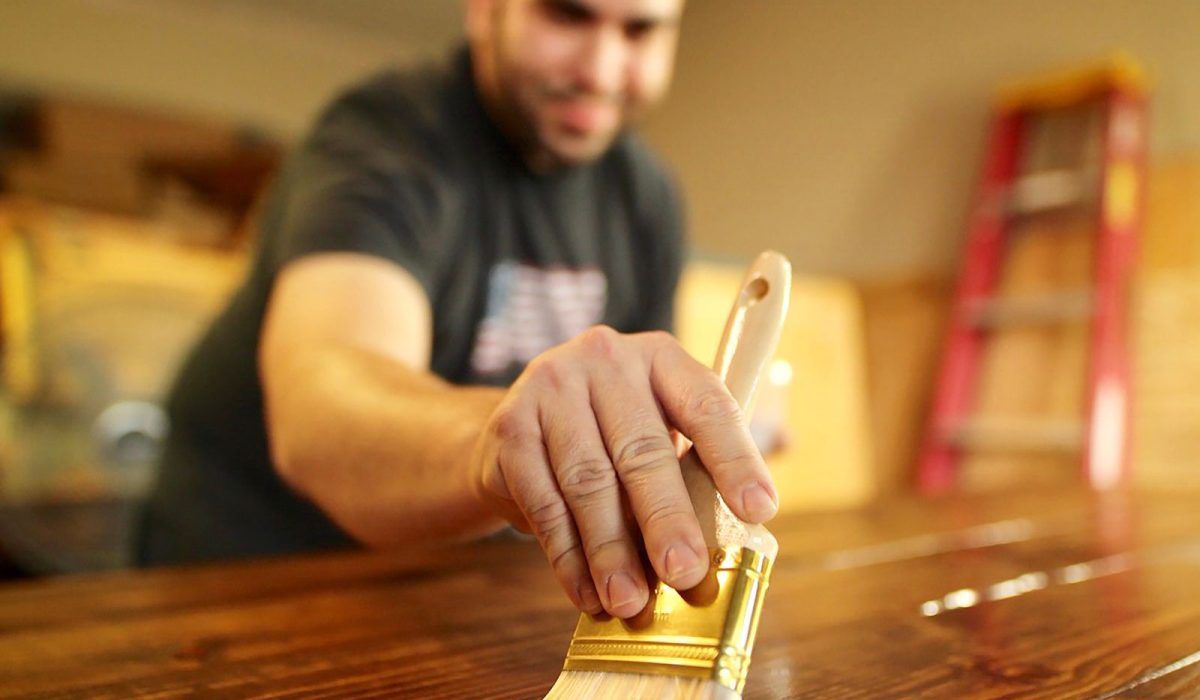
Wood furniture is very attractive in its pristine stage. The surface can become dull or damaged with the passage of time due to spills, sunlight, heat, and rain. That’s why a good finish is important to prevent it.
This list provides a simple explanation of the best wood finishes for furniture for indoor and outdoor use. You will be able to learn about their functions, their placement and how to use them effectively.
Why Wood Furniture Needs a Finish
A finish is a two-way performer. It preserves the wood, and influences the form of the wood.
When unprotected, wood will imbibe water and expand. It may curl, crack or mold. The sun also dulls the color and makes the surface weaker.
There are different issues with indoor and outdoor pieces. Indoor furniture faces heat, scratches and spills. Rain, UV rays and significant temperature changes are all part of the outdoor furniture scene. This is why the ideal furnishings wood finish for indoor and outdoor furnishings isn’t always the same product.
Types of Wood Finishes
It is useful to be familiar with the two categories of wood finishes prior to comparing the best available for indoor vs. outdoor furniture.
These penetrating finishes penetrate wood and create a natural, hand-rubbed appearance. Film-forming finishes are applied on top and form a hard protective coating.
Penetrating Oils
These oils are often used; linseed oil, tung oil and Danish oil. They are easily repaired and take out the grain. A worn area can be reinvigorated without removing all the paint.
The trade-off is less scratch and standing water protection. There are times when oiled furniture requires new coats.
Note: A precautionary note: Oil finishes – particularly linseed oil – can dry and become flammable if the rags are soaked. Dry them out in the open air, or put them in a metal container filled with water when throwing them away.
Polyurethane and Varnish
These are film finishes. They stay scratch, water and wear resistant.
There are two types of polyurethane: oil and water. There are versions with oils for a warm amber color. Water-based versions dry clear, and will clean up with water.
They’re an excellent option for tables, desks, and chairs that are used every day.
Shellac and Lacquer
Shellac imparts a warm finish and dries fast. Lacquer dries quickly as well and provides a smooth even surface.
Both fit indoors furniture. Shellac can be marked by heat, alcohol and water, however. Both are not ideal to use outside.
Wax
Wax gives a softness and smoothness. Provides minimal protection. Apply it over another finish, or on decorative objects that will not be used often.
Best Wood Finishes for Indoor Furniture
The focus of indoor finishes is to be both durable and appealing. These are the most popular choices:
- Water-based polyurethane: Dries clear, so it will not darken light woods such as maple. It also emits less odor than oil based products do.
- Oil-based polyurethane: Highly durable and offers warm colour. It takes longer to dry.
- Oil (Danish or tung): Provides a natural finish that can be easily refreshed.
- Shellac: Good for sealing or as a warm topcoat to low wearing items.
- Hardwax oil: Oil and wax mixture for a natural look and good everyday protection.
Polyurethane or another film finish is generally the best choice for a dining table or desk. An oil finish will work for a simple wooden bookshelf or side table.
Best Wood Finishes for Outdoor Furniture
Exterior finishes need to withstand moisture and UV exposure. They also must be able to bend and stretch to accommodate the seasonal changes in wood.
- Spar varnish: Varnish designed to remain flexible and often will include UV blocker. Provides a shiny, protective finish and can darken the wood.
- Oil that can penetrate through exterior: Absorbed by and easy to reapply to exterior. Please check the label as many products being sold as teak oil are mixtures of oils and resins.
- Exterior stains and sealers: Colours exterior and protect against water and the sun. Semi-transparent types retain the grain while allowing it to be seen through.
- Exterior paint: Provides the maximum amount of color and good protection on exterior surfaces, but conceals the grain.
As for indoor polyurethane, it does not work well outdoors. It is not designed to stand up to frequent wet and windy conditions and may crack and peel. Never use a product that is not intended for exterior use.
Naturally rot resistant woods like teak and cedar are more resistant to the weather. They are still improved by the addition of a finish, but some owners allow teak to weather to a silver-gray.
Protection for outdoor furniture is usually the primary concern when people are searching for the best wood finishes for indoor and outdoor furniture. Wood just doesn’t take as well to daily indoor use.
How to Choose the Right Finish
Before purchasing ask yourself a few simple questions:
- In what location will the piece be placed? When it comes to the outdoors, you’ll need UV and water resistance. Outdoor: be mindful of wear and spills.
- How many times do you anticipate using it? For every day use, a more durable film finish is required.
- What look do you want? Oils look natural. Polyurethane and varnish give a more refined appearance. The grain is hidden up by paint.
- What type of wood are you working with? (See hardwood vs softwood furniture.) For dense, oily woods such as teak, it may be necessary to wipe down the wood with solvent first before finishing, refer to the product label.
- What level of maintenance will you be able to manage? Oils can be easily changed but should be changed often.
The top wood finishes for external and interior furniture reflect the environment, the wood and the time that you have to take care of it.
How to Apply a Wood Finish
The quality of preparation can be as important as the product. Follow these steps:
- Clean the surface. Clean off dust, grease and old flaking finish.
- Sand the wood. Use a medium grit initially and then switch to a finer grit to achieve a smooth surface.
- Remove dust. Use tack cloths or a slightly moistened cloth.
- Test first. Test the finish in an out-of-sight area to see how it looks.
- Apply a thin coat. Brush, rag or pad along the grain.
- Let it dry. Follow label directions for drying time.
- Lightly sand between coats. This applies to film finishes. Use fine paper, cleaning away the dust.
- Add more coats. Two or three thin layers are more effective than one thick layer!
- Allow it to cure. A finish can be dry and yet be soft. Do not use heavily until next year.
These steps are applicable to most of the best wood finishes for furniture, indoor or outdoor, but it is always best to follow the product label first. If the refinishing is part of a larger remodel, our home renovation checklist can help you plan it.
Common Finishing Mistakes to Avoid
- Applying thick coats. They drip, dry slowly and may remain sticky.
- Skipping sanding. A rough surface results in a rough finish.
- Using an indoor finish outside. It will get worn out soon.
- Ignoring end grain. The ends of an outside piece take in water rapidly, so be sure to seal them tightly.
- Completion when bad weather occurs. The drying process may be influenced by very wet, cold or hot conditions. Look at the label for its safe range.
- Forgetting to reapply. All finishes deteriorate with age.
The ideal wood finishes for outdoor furniture and indoor furniture can fail when improperly applied.
Maintenance and Safety
Taking care of furniture is simple.
Indoor Furniture
- Vacuum and wipe trickledown spills often.
- Place coasters and mats under hot and wet items.
- Where possible try to keep pieces away from intense direct sunlight.
Outdoor Furniture
- Use mild soap and water to clean.
- Do a finish check every season.
- Re-apply if any water beads up and/or color appears dull.
- Cover or put away pieces during severe weather.
The maintenance process will make the wood furniture in the interior and exterior last longer.
Low-VOC Finishes and Safety
VOCs are chemicals that are released as the finish dries. Many wood finishes for use on furniture indoors or outdoors are now available in low-VOC formulations—particularly water-based.
But low odor does not equate with safety. Open the door to the room and use a mask or gloves if the label recommends them. When buying children’s furniture, always check the label and search for furniture that are safe when completely cured.
Final Thought
No product is perfect. Choosing the best wood furniture finishes for indoor and outdoor furniture really depends on where they will be placed, used and maintained.
Polyurethane is durable and oils provide a natural appearance for indoor items. Spar varnish, exterior oils, exterior stains and sealers are used for outdoor pieces to protect against sun and rain.
Well prepared wood, thin coat and as per label. Do this, and you’ll be able to enjoy the best wood finishes for furniture of any kind – whether you’re decorating the interior or exterior – and keep the furniture looking well and strong for many years.
FAQs
What are the best wood finishes for furniture indoors and outdoors?
Water-based or oil-based polyurethane is a good choice for protection in indoor furniture, while Danish oil offers a natural appearance. Spar varnish, exterior penetrating oil, exterior stain and exterior sealer are common exterior finishes for outdoor furniture. Always select a product specifically intended for the use.
Can I use the same finish indoors and outdoors?
Generally no, outdoor finishes will be more weather-proof and resistant to UV light, and many indoor finishes are not. Some products have both uses, check the label before deciding.
How often should I reapply an outdoor finish?
It will depend on the product, the wood and on the amount of sunlight and rain exposure the piece receives. Inspect finish at least once a year. Reapply as soon as the colour fades or water doesn’t bead on the surface.
Can I use polyurethane outdoors?
Only if the product is a labelable exterior product. Polyurethane is prone to cracking and peeling out in hot sun and rainy weather when it is installed indoors. Spar Varnish or exterior sealer would be a more suitable product for most outdoor pieces.
Is oil or varnish better?
Not all the time is one better than the other. Oil lends a natural appearance and is simple to fix. A harder shell is created by a combination of varnish and polyurethane, which is more scratch and water resistant. Use oil on soft surfaces and varnish on hard surfaces that are used on a regular basis.
1 Comments
Comments are closed.