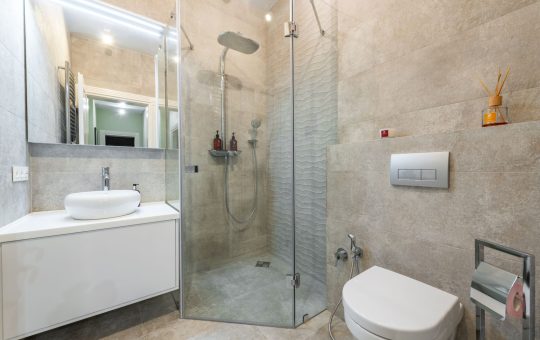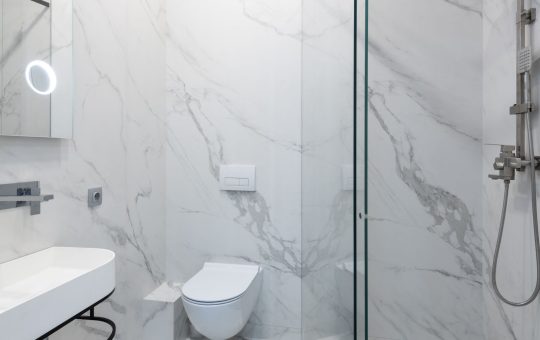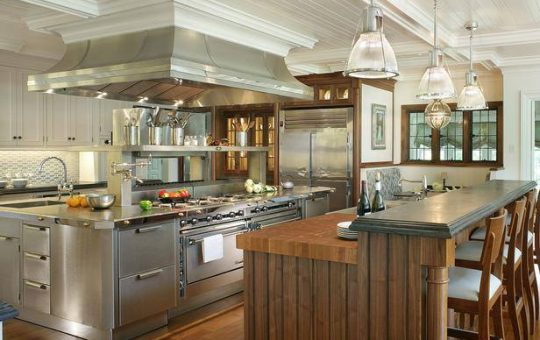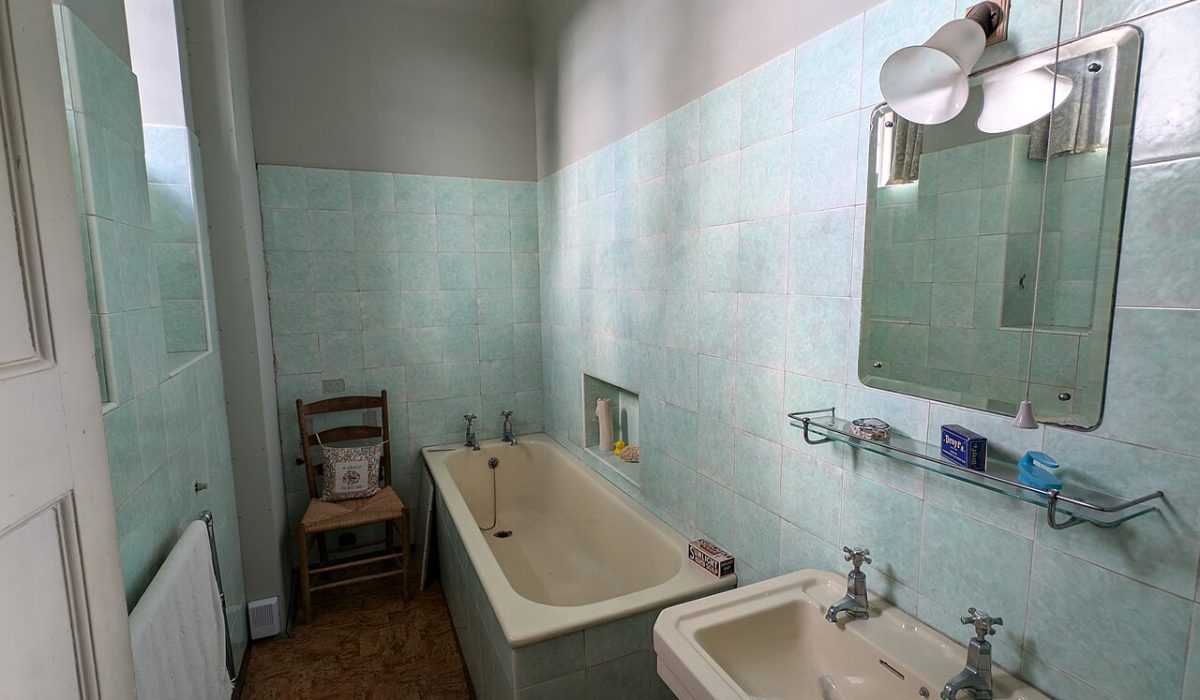
Bathroom remodeling involves the updating, improvement or redesign of the bathroom to make it more functional, comfortable, and attractive. A remodel might involve some changes, such as replacing fixtures, lighting, or storage space, or it may include a major change, like altering the layout, flooring, shower, bathtub, or vanity. The ideal bathroom remodeling ideas combine both function and practicality with space, maintenance and budget. With either a small bath or a large primary suite, there are ways to make it easier to use and enhance its appearance with an attractive upgrade.
One of the most popular rooms in the home is a bathroom. It also must be able to deal with moisture and daily usage and adapt to different storage requirements. This is why it is not enough to simply select a beautiful tile or fixture when remodeling a bathroom.
The remodel should improve the use of the space, and make it more pleasing to look at. Fortunately, you do not necessarily have to go through a complete redo to make dramatic changes. Micro changes, specifically targeted changes, can also make a big difference.
When planning a bathroom renovation, the following ideas should be considered.
1. Improve The Bathroom Layout
One of the most crucial bathroom remodeling ideas is to examine the current layout prior to picking finishes or fixtures. Even though space is scarce, an outdated bathroom can be caused by poor use of the space.
Think about your movement around the room. Does the toilet run too near to the vanity? Does shower door obstruct walkways? Do you have room to get dressed in the morning? These real world questions can highlight areas of room for improvement.
For larger remodeling projects, changing the location of fixtures may make the room more functional. However, shifting plumbing may lead to a rise in labor and building expenses. If you are happy with the current set-up, you might be able to invest more into other aspects of the property if you leave the plumbing as it is.
When looking over your layout, think about:
- Available floor space
- The clearance between the door and cabinet.
- The bathroom’s layout and design.The location and style of the bathroom.
- Toilet location
- Vanity size
- Storage requirements
- Ease of movement
- Availability of natural and artificial light.
The ideal bathroom design should not be cramped, but at the same time, it shouldn’t feel too big.
2. Upgrade The Shower Or Bathtub
Many times, the shower is the centre of attraction in a bathroom. Refreshing it can alter the way the room looks and operates.
If you haven’t used your tub very much, a walk-in shower might be a better choice. A walk-in shower may be more convenient and can help to make a small shower feel larger. Frameless or lightly framed glass can also help to keep the room looking open and uncluttered.
For homeowners who love taking baths, they might choose to have or upgrade the bath. A contemporary soaking tub can be a comfy location to unwind without overhauling the remainder of the bathroom.
Other shower upgrades consist of:
- Using a handheld showerhead
- Adding a rainfall showerhead
- Installing a niche for a shower that is recessed.
- Using a built-in bench
- Improving waterproofing
- Installing a thermostatic shower valve:
- Fitting a low threshold entrance
Consider maintenance as well as appearance when choosing showers materials. A nice looking surface, that needs a lot of cleaning, can become frustrating after a while.
3. Choose A Practical Vanity And Storage Solution
Bathroom storage is easily forgotten when designing a bathroom. However, even the latest remodeled bathroom can still be cramped when it does not have proper storage.
The room’s most practical storage space is likely to be a vanity. Remember to pick a size that won’t take up too much floor space, but will give you enough counter area. A wall mounted vanity can appear to add more space to a small bathroom.
A double vanity can be helpful for larger bathrooms when two people are using the bathroom at the same time. But it doesn’t always have to be a lot more counter. Don’t opt for a bigger storage unit until you have determined your actual storage requirements.
You can also enhance the storage with:
- Mirrored medicine cabinets
- Wall-mounted shelves
- Recessed cabinets
- Drawer organizers
- Open shelving
- Over-the-toilet storage
- Built-in shower niches
Store common use products at ground level and less frequently uses at upper and lower level storage. You’ll find this simple method can help maintain a clean bathroom.
4. Refresh The Flooring, Walls, And Color Scheme
Repairing bathroom surfaces can make a huge difference in the appearance of a bathroom. Despite the growing popularity of other materials, tile is still used today due to its numerous styles and ability to function in moist environments.
Select a material appropriate for flooring that is comfortable for use on a day-to-day basis that is suited to be a material used in wet environments. Bigger format tiles can help reduce grout lines, making the floor more manageable and presenting a more seamless look to the room.
You can use wall tile anywhere in the bathroom or just in specific areas, like the shower and backsplash. For painted walls, use a bathroom paint that will resist humidity.
The color scheme you select also has the effect of how a space will look. Use light colors to make a small bathroom feel larger and darker colors to create contrast and depth if you use them strategically.
A good compromise is to choose a basic color and add some interest with:
- Shower tile
- Vanity finishes
- Mirrors
- Hardware
- Towels and accessories
- Wall accents
It’s not necessary to stay up to date on all the trendy designs. If you select materials and colors that you will probably find pleasurable throughout the years, then the remodel can prove to be a better investment over time.
5. Upgrade Bathroom Lighting
Lighting is a way to enhance the look and use of any bathroom. It is especially crucial near the vanity where people shave, apply make-up, style their hair, or groom themselves in other ways.
A single ceiling light may not provide enough illumination. Instead, try to use multiple types of lighting.
The ambient lighting sets the tone for the overall illumination of the space. Task lighting is designed with extra lights to provide additional illumination in areas that require extra light, such as the vanity. Accent lighting can be used to illuminate architectural details or decorative features.
If possible, place vanity lights to evenly illuminate the face. Sometimes when a mirror is directly illuminated by a light fixture, shadows will be cast on the mirror depending on the light fixture and its angle.
A layered lightingplan may consist of:
- Ceiling lighting for common lighting
- The mirrors are installed on wall sconces.
- How to have vanity lighting for grooming.
- Use shower-rated lighting, if applicable.
- Whether it’s a bookshelf or a niche, accent lighting works wonders.
Take into account the colour temperature of your bulbs. Typically, the lighting should be warm and natural rather than cool or intense in a bathroom.
6. Add Features That Improve Comfort And Efficiency
When remodeling a bathroom, it’s an excellent chance to incorporate attributes that make daily tasks easier.
Install water-efficient toilets, faucets and showerheads to conserve water. LED lighting can also save energy, and tends to last longer than conventional light bulbs.
There are a number of comfort-related enhancements such as heated floors, heated towel warmers, improved ventilation and better mirrors. Additional electrical work may be necessary with some of these features, so they should be planned for early in the remodeling process.
Ventilation should be kept in mind. There’s this moisture that occurs naturally in bathrooms and if the bathroom is not properly ventilated, it can cause condensation, foul odors, and moisture issues in the long run. If the exhaust fan is the correct size, it can assist in removing humid air from the room.
Accessibility can also be a consideration though for homeowners who are planning on living in their home for many years. Since the bathroom is a place where mobility can become a problem, a curbless shower, wider doorway, grab bar blocking and easy-to-use controls can make it easier for users to operate.
The intent is not to implement all the features available. Rather, concentrate on enhancements that address real issues in your restroom.
7. Plan The Budget Before Starting
Bathroom remodeling projects can be costly, especially if the work is not done at the beginning of the project. It’s good to do some planning beforehand and make a realistic budget to avoid surprises.
First, break your project down into different categories, including labor, plumbing, electrical, fixtures, cabinetry, tile, flooring, lighting, and finishing materials.
A good idea is also to reserve funds for any unforeseen expenses. After walls or floors are opened, contractors might be able to find water damage, out-of-date plumbing or structural issues.
Prior to selecting materials, determine what is most important to you. For instance, you might invest more money in a great shower system, and a moderate price vanity.
One helpful budgeting tip is to prioritize:
- Essential repairs and waterproofing to be done.
- Improvements to the plumbing and electrical systems.Plumbing and electrical upgrades.
- Fixtures and storage
- Floors and wall coverings.
- Lighting and accessories
- Decorative upgrades
This way, you can be sure that the vital tasks are done before you invest in minor aesthetics.
It’s also crucial to receive precise estimates and comprehend what they’re comprised of. Discuss labor, materials, demolition, disposal, permits, and additional expenses prior to work.
Related reading: small kitchen remodeling ideas, functional kitchen layout and our home renovation checklist.
Final Thoughts
Great bathroom remodeling ideas don’t have to be costly and fancy. It’s the ones that see how well the room functions for the people who use it.
First, consider the arrangement and what issues you want to address. Then, look at ways to make improvements to the shower, bathtub, vanity, storage, flooring, lighting, and ventilation. If finances permit, invest in comfort, efficiency and for easier accessibility in the long term.
A well-executed bathroom renovation should also be pleasing to the eye and functional. Invest in quality materials, think about water, and not make design decisions on fads.
While working on the small details or a complete bathroom remodel, careful preparation can make the process easier and satisfying. With careful remodeling, you can have a bathroom that looks better, works better and will serve you for years to come.