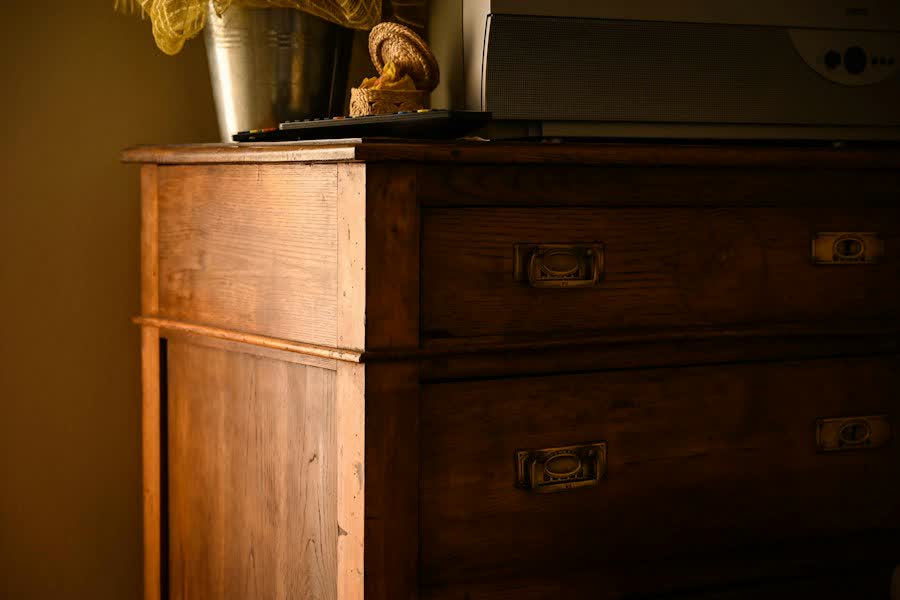
Eventually, wood furniture gets dusty, dirty and marks from fingerprints and small scratches. Shine and warmth can be restored with a good polish. However, if the wrong product or technique is used, it can cause streaks, sticky residue, or even mar the finish. So, how to polish wood furniture?
This is the best way for a novice to safely polish wood furniture without destroying it. You will know how to verify your finish, select an appropriate product and what to avoid doing.
Why Polishing Wood Furniture Matters
Polish has more than a shine to it. A thin layer of polish or wax protects the finish from dust, light moisture and daily use. It also conceals fine surface marks and enhances the appearance of grain.
Nevertheless, the polishing is not a cure for all things. Deep scratches, peeling off and water damage require repair and not further polishing. If you know the correct method for polishing wood furniture, you can preserve the furniture rather than damage it.
Check the Finish Before You Start
Finish: Clear coat over the wood. It determines the safety of products. Typical finishes range anywhere from varnish, polyurethane, lacquer, shellac, oil to wax.
This is the straightforward method to obtaining a clue. Put 1 drop of water in a secret location. If it beads up the finish will have been sealed. Oiled, waxed or worn surface may cause the wood to darken or absorb the oil. Clean the drop up immediately afterwards. Bob Vila also offers helpful background reading on this subject.
Next, do a patch test. Use the product on an inconspicuous spot, like the inside of a drawer or the back of a leg. Wait 1 day and check for cloudiness or stickiness or color change. This is the number one safe tip on how to polish a wood furniture.
Collect the appropriate materials
Not a lot of tools are required. So you need the following items to learn how to polish wood furniture at home:
Soft microfiber or clean cotton cloths.
Soft brush to carve corners and brushes.
A little bit of mild dish soap and hot water
The appropriate polish or wax for your finish
To remove from tight places comes cotton swabs.Cotton swabs for tight spots.
Gloves and an open window for fresh air
Avoid paper towels and rough sponges. Can cause small scratches to the finish.
Choose a Safe Furniture Polish
Various products are used for their specific functions. Choose the one that is appropriate for your piece.
Paste wax: Paste wax imparts a soft, deep luster. It can be used on sealed and waxed wood. Apply and buff sparingly.
Liquid or cream polish: Good for regular care and easy to use. Check the label to see if it is appropriate for your finish.
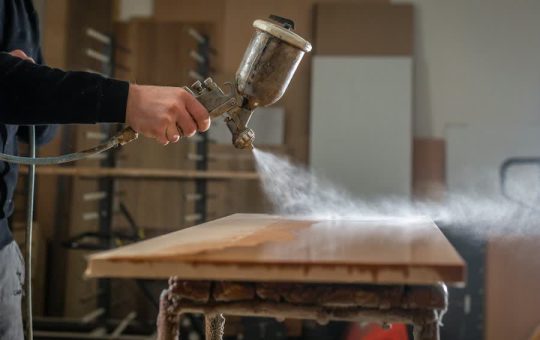
Sprays: Sprays are quick, but some of the sprays will have silicone. Silicone may accumulate and cause future repairs and refinishing to be difficult. When using a spray, select a wood spray and apply it sparingly.
Oiled finishes: For furniture that is finished with an oil (for example, Danish oil or tung oil), the same oil or an oil for oiled wood is normally used.
Home mixes: Olive oil and vinegar are put forth as many good home mixes. Over time, kitchen oils can get sticky or have a stale smell, so consider using a product specifically designed for furniture.
In any case, the label will tell you what to choose. A general guideline to follow when it comes to learning how to polish wood furniture is to use the mildest product.
How to Polish Wood Furniture Step by Step
For a smooth finish, follow these steps:
Step 1: Dust the Surface
Dry with a cloth or microfiber cloth, moving across the grain. For carving details use a soft brush. When rubbing polish over the finish, the dust can scratch the finish.
Step 2: Clean Gently
Dip a few drops of mild dish soap in warm water. Take a cloth and moisten it, then wring it out just until it is moist. Wipe down the grain direction and dry immediately with a clean cloth. Excessive water causes damage to wood and leaves a white mark.
Step 3: Test the Product
Apply first to a discreet area, as stated above. If it seems like it’s looking good after a day, you can proceed.
Step 4: To apply Polish in thin layers
Apply a small amount on a soft cloth, not directly on the wood. Work in small portions, approximately two feet at a time. Gently rub in the direction of the grain. A thin application is preferable to a thick one, and it dries quicker.
Step 5: Let It Rest, Then Buff.
Dry in accordance with instructions on label. Numerous products require a few minutes to settle. Then buff with a new, dry rag until it is smooth, and not sticky. The buffing process is what adds the shine.
Step 6: Complete Details
For grooves and edges use a cotton swab. Inspect legs, drawer fronts and corners. Clean handles and hinges of unwanted product.
Upon acquiring the art of polishing in little steps such as these, the task becomes speedy and tranquil.
Things to remember in case of a disaster!
Ensuring safety is important in all aspects of the wood furniture polishing process. There are a few simple rules that ensure conservation of the piece and that you don’t get hurt:
Do the work in a well-ventilated room; some products emit strong fumes.
Use gloves if label recommends.
Do not use polish or wax on children or pets.
Don’t mix cleaning chemicals: some mixtures produce dangerous fumes.
Oily rags need to be handled with care. Rags that have been soaked in oils like linseed oil can get hot and start fires. Spread them out on the ground in the sun to dry, or put them in a covered metal container in water before getting rid of them.
Common Mistakes to Avoid
Here are the most common polishing issues that stem from a few habits:
Over polishing. When heavy layers are involved, they get cloudy and dusty.
Polishing too often. There can be many coats that accumulate. Regular dusting will be sufficient for most homes, with few times a year if needed.
Soaking the wood. Water and wood don’t get along.
When a tool is rubbed across the grain of a wood piece. This can exhibit swirl marks.
Application on each piece. There will be a variety of finishes, so inspect each item.
Polishing over damage. Any peeling or flaking finish must be repaired first.
There are many who ask how they can polish wood furniture without leaving streaks. Solution: Buff more and use less product.
Special Cases: Veneer, Painted, and Antique Pieces
The general principles of wood furniture polishing remain the same, but with certain pieces, there is additional care required.
Veneer: Thinnest layer of real wood over a base material. It can be lifted up by moisture, use a lightly moistened cloth and a light polish.
Painted wood: Most wood polishes are made for clear finishes. Use a soft cloth and mild soap to clean painted pieces, instead.
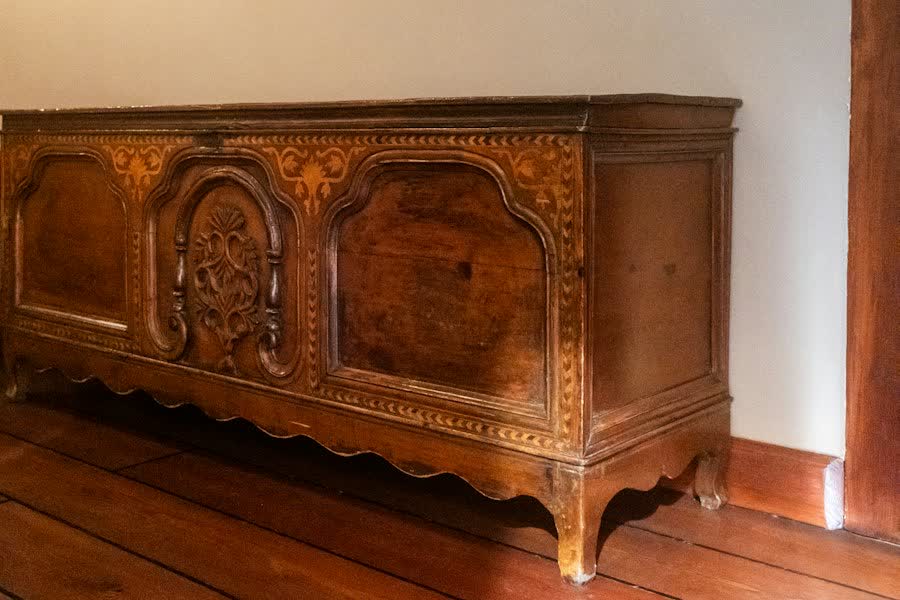
Antiques: Old finishes may be delicate. Test first, work gently. If you have a valuable antique or family heirloom, consult a furniture restorer before polishing.
Easy Care Between Polishes
Good habits will lead to less polishing:
Use a dry microfiber cloth to dust once a week.
Reuse coasters, trivets and placemats.
Clean up spills immediately.
Furniture should not be placed directly in the sun or near heaters as light and heat can cause a finish to fade and dry out.
Place felt pads under lamps, vases and other items.
These little habits can keep the surface safe from damage and you’ll need to polish less frequently. The art of polish is only part of the story with wood furniture. The other half is daily care.
Related reading: best wood finishes for furniture, hardwood vs softwood furniture, simple wooden bookshelf.
Final Thoughts
Safely learning how to polish wood furniture is simply a few easy habits. Know your finish, clean gently, test first, thin layers. You need to buff the room clean and ventilate the room.
Take your time. Polishing isn’t a rush and a little patience helps to preserve the wood and restore its rich luster. For modern tables or antique dressers, the key is to use the right technique to keep it in good condition for years.
FAQs
How many times a year can I polish wood furniture?
Most pieces require just a few polishes per year. Dust regularly and polish when necessary, but only when it is rather dull. Excessive polish can result in accumulation.
Does the spray polish harm all wood furniture?
Not always. Always read the label and always test it in a concealed place. A few sprays have silicone that may deposit on the surface. Apply sparingly and buff.
What is the difference between the terms cleaning and polishing?
Cleaning will take away dust, dirt and sticky marks. Polishing coats the surface with a very thin layer of protection and gives it a shine. First clean, then polish. One of the most frequent issues that people encounter when they are trying to polish their wood furniture for the first time is the failure to clean the furniture.
Are scratches or water rings possible to buff out?
Polish can cover light surface damage, while not being a solution for deep damage. A light buffing can help dull a slight whiteline. If it is a deep scratch or a major damage, it is better to have it repaired professionally.