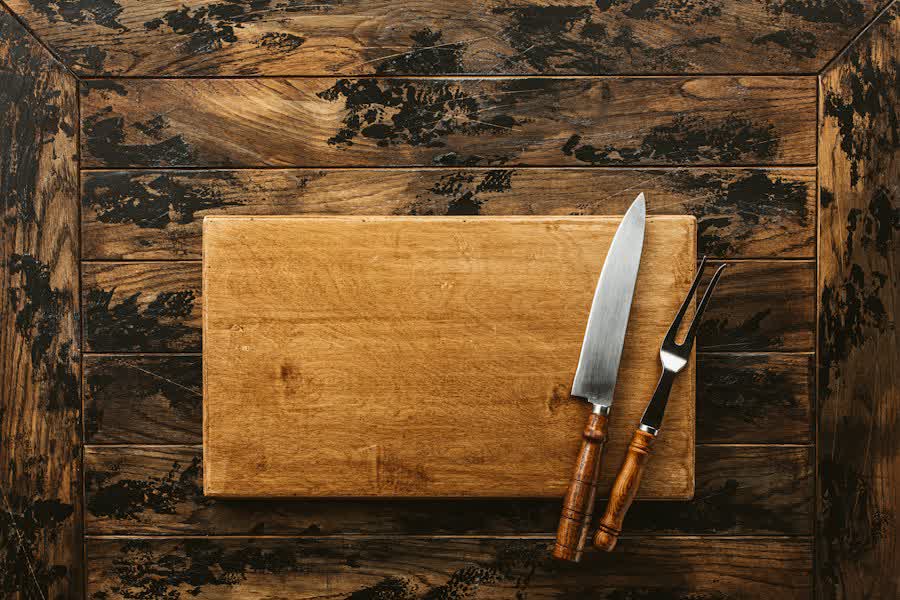
A wooden cutting board will not break or chip easily, but it is not meant to be shattered. It can crack, warp or smell bad if too much water, too high heat or too harsh of cleaners are applied.
Cleaning a wood cutting board should be done without harming the board and a few simple habits will help you do this. So, how to clean wood cutting board?
This guide shows you how to clean daily and how to deep clean, remove stains and provide long term care. All steps involve simple tools that are likely to be in your home.
Why Proper Care of a Wood Cutting Board is Necessary
Wood is porous. This means that it can soak up liquids, small food particles and smells.
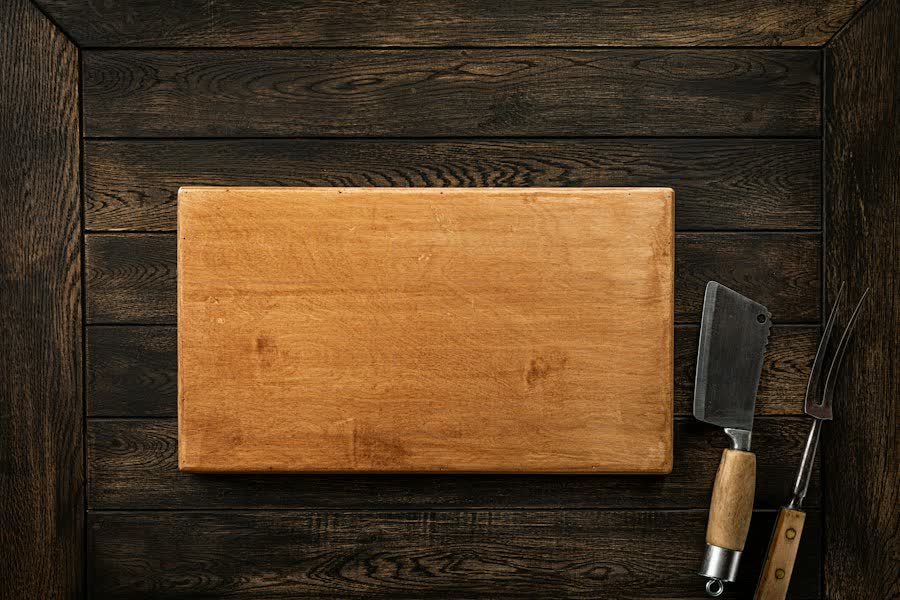
The knife cuts also result in small grooves in the surface. Those grooves can trap food and a wet board is a good environment for bacteria to grow.
Good care extends to the care of the board, too. Wood expands when moist, and contracts when dry. This process can be repeated many times and can result in cracking and warping. You can also read Family Handyman for additional expert advice.
Simply to clean a wood cutting board gently, remove the moisture rapidly, and condition the wood.
What You Need to Clean a Wood Cutting Board
No special products are required. These items are all likely to be found in your kitchen:
- Mild dish soap
- Hot tap water (not boiling)
- A soft sponge or non metal scrub brush
- A clean and dry kitchen towel
- The household chemicals that can be used are white vinegar or 3% hydrogen peroxide.
- Coarse salt and ½ lemon.
- Baking soda
- Mineral oil is used in food-grade or a board conditioner
Have a board-specific scrub brush. Prevents grease from pots and pans from contaminating cutting surface.
How to Clean Wood Cutting Board After Every Use
Cleaning is carried out on a daily basis and takes approximately 2 minutes. Do as soon as possible after cooking to prevent food from drying on the surface.
Step 1: Wipe off food bits.
To remove crumbs and scraps use a bench scraper or the back of a knife. This helps to maintain cleanliness of your sponge and makes washing up simpler.
Step 2: Remove using hot soapy water.
Lubricate a brush or sponge with a little of the mild dish soap. Wipe down the top, sides and bottom of the board.
When scrubbing, go with the grain of the wood. This will help to pull food away from the fiber.
Step 3: Rinse Quickly
Rinse off the board for a few seconds. Avoid letting it sit in the sink or under a running stream of water for an extended period of time.
Step 4: Dry Away.
Use a clean towel to wipe both sides. Then place the board on its side so that air can flow over all surfaces.
Place a wet board on a surface to prevent moisture from escaping. This will cause uneven drying and warping.
The easiest way to clean a wood cutting board for daily use.
How to Clean Wood Cutting Board After Raw Meat
Raw meat, poultry and fish require special handling. The first step is for them to wash their hands with soap, and a second layer is to sanitize.
One simple way to do this is to:
- Clean off any excess pieces and clean the board with hot soapy water.
- Wash the board with a light stream of water.
- Sprinkle or spray surface with 3% hydrogen peroxide.
- Allow to sit for several minutes.
- Rinse and dry the board thoroughly.
Don’t forget to wash a wood cutting board after cutting raw chicken. Wipe with sanitizer in areas where food is not visible.
Keep one board for raw meat and one for fruit, vegetables and bread if possible. This will reduce the chance of cross-contamination.
How to Clean Wood Cutting Board With Vinegar
White vinegar is a popular household cleaner. It’s affordable, widely available and effective for light sanitizing and deodorizing.
Vinegar is generally used to clean a wood cutting board since it will not leave a strong chemical odor after drying.
Try this method:
Fill a spray bottle with an equal amount of white vinegar and water.
Lightly spray the board on both sides.
Wait 5 minutes or so.
Use a clean cloth to wipe, rinse for just a few seconds and dry immediately.
Vinegar is an acid; don’t soak the board in vinegar. Only use it when you need it, and not after all meals.
Besides, never put vinegar and hydrogen peroxide in one container. Apply them one at a time; if you’re using two, rinse the board between applications.
How to Get Rid of Wood Stains and Smells
A wood board can end up staining over time, due to berries, beets, coffee, or sauces. Onion and garlic odors can persist as well.
These soothing techniques typically work well.
Salt and Lemon Method
This is a traditional approach to revitalizing a board. Best for surface stains and light odors.
Pour some coarse salt on top of the board.
Cut a lemon in half.
Using the cut side, rub the salt into the wood.
Allow to rest for 5-10 minutes.
Rinse board in a hurry and pat dry.
The lemon juice will help to refresh the surface, and the salt will provide a mild scrub. One of the simplest methods of cleaning a wood cutting board using ingredients from your kitchen.
Baking Soda Paste
For those hard-to-clean spots and lingering smells, use baking soda.
Add a bit of water to baking soda so it can be thickened into a paste. Apply to the stain, gently brush with a soft brush and allow to sit for a few minutes. Rinse and dry.
For strong smells:If the smell is strong:
Repeat the salt and lemon process if garlic and fish odors are still present. Alternatively, wipe the board with diluted vinegar and allow to air dry on the edge of the board.
If the board continues to smell after several deep cleanings, light sanding or replacement may be necessary.
How to Oil Your Board After Deep Cleaning
Cleaning will take away dirt, but may also remove some of the natural oils found in the wood. Hence the importance of conditioning.
After you buy a wood cutting board and have thoroughly cleaned it, the next step is to oil it. It enables the wood to repel water and remain smooth.
Follow these steps:
Be sure the board is well dried.
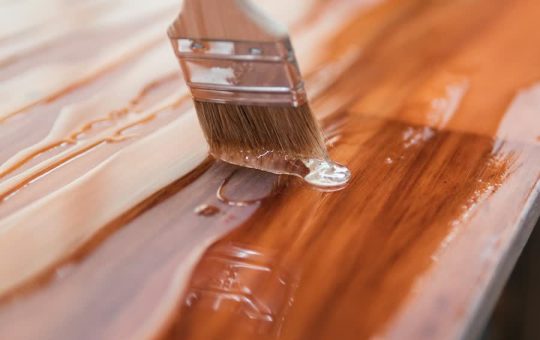
Put a light coat of food grade mineral oil or beeswax board conditioner on the boards.
Rub in with a clean cloth, rubbing along the grain.
Soak for a few hours or overnight.
Use a dry cloth to remove any excess oil.
Do not use cooking oils (olive oil or vegetable oil). Over time they may go rancid and become odoriferous.
An arbitrary guideline is to oil the board if it is dry or light in color. If you use a board frequently, that might be once a month.
Top 10 Tips for Cleaning a Wood Cutting Board
A good board can last a shorter time if it has a few minor errors. Here are the most frequently encountered to steer clear of:
Using the dishwasher. Wood can crack and warp with prolonged exposure to heat and water.
Soaking the board. Water absorption can result in swelling and splitting in wood.
Drying it flat. Moisture will become trapped under it and the board can warp.
Using harsh scrubbers. Rough pads and steel wool can abrade the surface causing more hiding spots for food.
Skipping oil. A dry board will more easily stain and crack.
Storing it damp. When storing a board, be sure it is completely dry.
Sand or Replace Your Board
Even a well-maintained board will wear out. When you notice any rough spots, faint knife marks, or deep stains, light sanding can restore a smooth surface.
Sand with the grain, using a fine grit sandpaper. Remove dust and wipe the board and then wash, dry and oil the board once more.
If you see any of the following, think about replacing the board:
Deep cracks/splits
A surface that has a significant distortion.
Empty spaces or grooves that have not been cleaned.
Bad smells that won’t end.
This is a board that is not in a sanitary condition, so it’s better to use a new one.
Related reading: best wood finishes for furniture, hardwood vs softwood furniture, easy woodworking projects.
Final Thoughts
In order to get a wooden board to look great and know how to clean wood cutting board, you don’t need any harsh chemicals or special tools. Minimal care after use is sufficient.
The proper way to wash a wood cutting board is to use mild soap and hot water, rinse quickly and dry immediately. When you need something deeper cleaned, use vinegar, hydrogen peroxide or salt and lemon.
Regularly oil the board, never put into the dishwasher, and never leave it soaking. Replace when cracks and deep grooves make it difficult to keep clean.
These habits will keep your board safe, smooth and useful for many years of cooking.
FAQs
When should I wash a wood cutting board?
Use hot soapy water to wash it off after use and dry it immediately. When stains or odors are noticed, do a deeper clean by using salt and lemon or vinegar. Apply oil approximately once a month, or when the oil seems dry.
How to clean wood cutting board in the dishwasher?
No. Wood may crack, split or warp due to the heat and the prolonged exposure to water. Hand washing is the safest option.
Can vinegar be used on wood cutting boards?
Absolutely, weak white vinegar can be used for light sanitizing and odor removal. Dip in mixture of vinegar and water, rinse briefly, and dry thoroughly. Don’t over-soak the board.
Which type of oil should be used on a cutting board?
The most common is food grade mineral oil. Mineral oil and beeswax also make a good conditioner. Don’t use olive oil or vegetable oil as they can become rancid.
How to remove the smell of onion or garlic?
Scrub with coarse salt and half a lemon, rinse and dry. If the smell is more potent, use diluted vinegar to wipe it and allow it to dry on its side.