Can you stain pressure treated wood? Yes, you can. However, the timing, and preparation are more important than the stain itself.
There are a lot of homeowners that build a deck or fence and want color ASAP. Then the stain will peel, fade or become blotchy. In most instances, the wood was just too moist!
This guide will discuss when to stain, what to do to prepare the surface, and which products will work best. At the end, you have the total solution to your question “Can you stain pressure treated wood?”.
May You Stain Pressure Treated Wood?
Yes. Pressure treated lumber is regular wood which is infused with preservatives, usually southern yellow pine. It is protected from rot, fungi and insects by these chemicals.
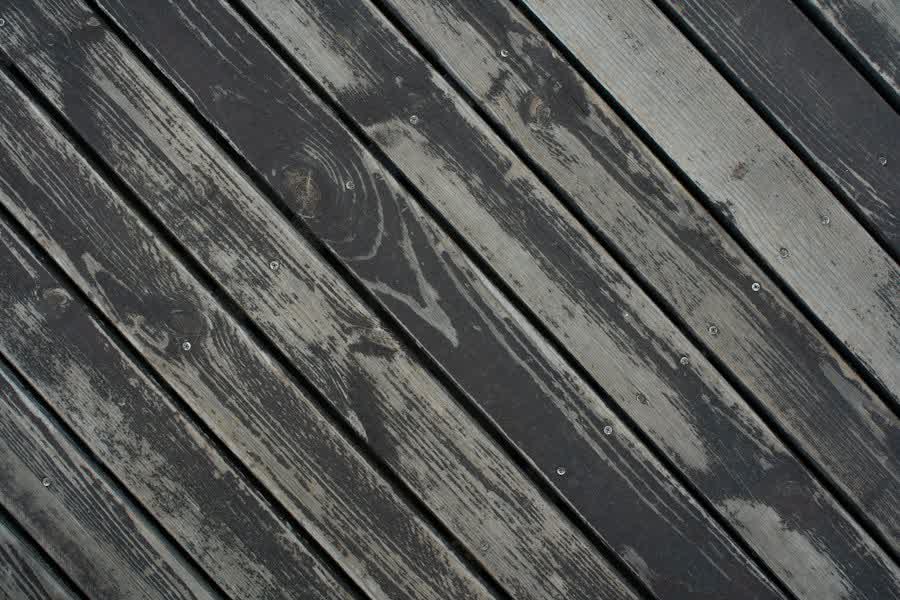
The treatment will not prevent working of stain. The problem is moisture. When new boards are treated, they tend to store a considerable amount of water, and that water will prevent the stain from absorbing into the lumber.
Therefore the question “can you stain pressure treated wood” can be answered yes but not until the wood has been dried sufficiently to absorb the stain. You can also read This Old House for additional expert advice.
Why Pressure Treated Wood Needs Time to Dry
Lumber is put in a pressure chamber during treatment. Pressing preservative deeply into the wood fibres. The boards, when removed from the plant, leave it wet.
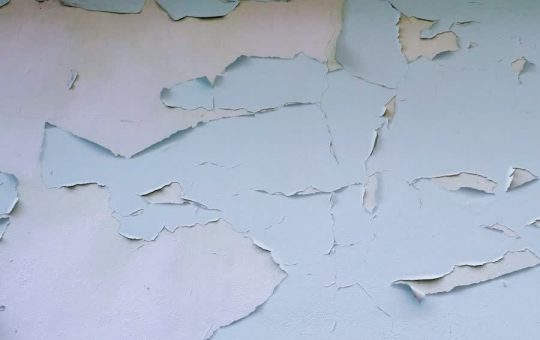
When staining wet boards, the stain will stay on the surface. It cannot soak in. This causes peeling and color variation and a short life.
The pores of the wood open during its drying. This causes then the stain to seep in and adhere to the fibers. This is what makes a finish last.
When & How Long to Wait before Staining?
Wait times will differ depending on the climate, board thickness and the lumber’s storing method. There are a number of sources that indicate a waiting period of a few weeks to a few months. Some boards can be ready in 2-4 weeks in warm dry weather. They can take a lot longer in wet or shady areas.
Treatment is done in a kiln and some lumber is sold KDAT (killed after treatment) or KDAT for short. The moisture content is lower when you purchase this species of wood, and it can be ready sooner than other species. Be sure to read the directions on the tag and the stain can.
Many ask the question, can I stain pressure treated wood immediately? For most common types of lumber, it is no. Do not count days. Try the wood instead.
The Water Test: How to know the wood is ready
The water test is easy and there is no cost. Add a bit of water to the board.
If the water does not bead up then the wood is still too wet. If it absorbs in within about ten minutes, the wood is ready to be stained.
Try a number of boards, particularly in shade. Not every part of the board is dry if one board is dry, wood dries at different rates.
A moisture meter can also be of benefit. Most stain manufacturers recommend about 12-15 percent moisture, but the label on your product will tell you how much moisture your stain requires.
Best Stain Types for Pressure Treated Wood
If you can stain pressure treated wood, the next question is, which product do you use? Below are the key options.
Water-based stain: Gives wood a uniform look. Dries slower, and is more aromatic.
Oil-based stain: Dries more slowly, is less fragrant and is cleaned with a solvent or oil-based product. Treated lumber is suitable for modern formulas.
Transparent stain: Natural grain is the most visible. Provides little protection from UV and fades easily.
Semi-transparent stain: Provides color and does not obscure the grain. It’s a favorite for decks and fences.
Thin stain: Covers the grain and resembles thin paint. Guards against flaws, can peel on high traffic surfaces.
Find a stain that is both exterior and pressure treated safe. Bonus UV and mildew resistance.
Supplies You Will Need
Get all the parts together prior to beginning. This helps to save time and avoid errors.
Cleaning solution for decks or wood.
On a low pressure setting, stiff brush or pressure washer.
Medium-grit sandpaper
Your chosen stain
Use a brush, roller, pad or sprayer
Clean rags and drop cloths
Gloves, eye protection and dust mask
Is it possible to stain pressure treated lumber?
Yes, and the process is simple as long as you go through the steps below.
Test the dryness of the wood. Do the water test with multiple boards.
Clean the surface. Use a wood cleaner and a stiff brush to remove dirt and mildew and any “mill glaze” that may be present.
Clean and air dry. Allow wood to stand for at least 24 to 48 hours or as instructed by the cleaner.
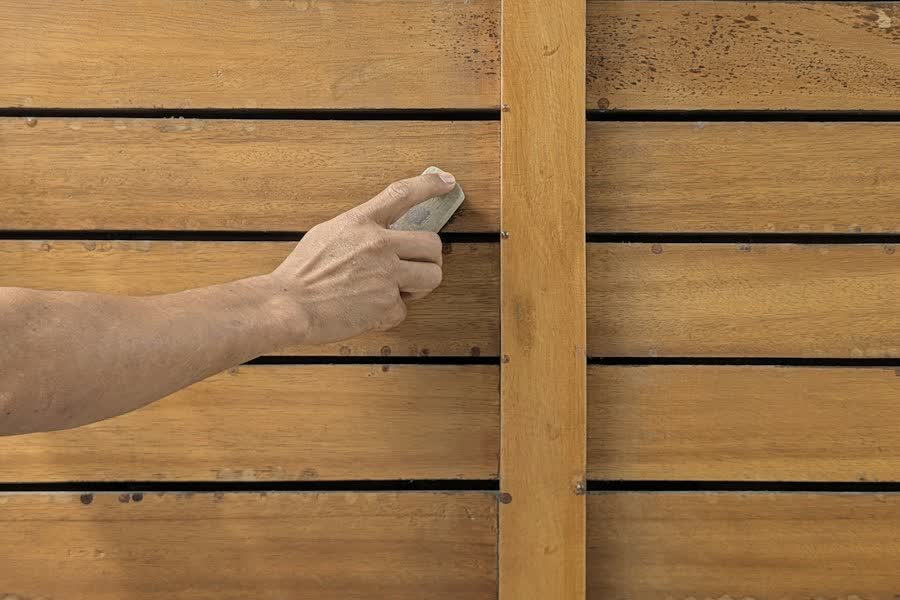
Sand lightly. Smooth rough-hoped and raised grain. This also aids in stain absorb evenly.
Test a small area. Check the colour by testing it on a hidden board.
Apply the stain. Handle with grain in small portions. This will prevent you from getting lap marks.
Wipe off the excess. Do not allow stain pool to form on the surface. Pooled can remain sticky or flaking.
Apply second coat if specified on the label. Over-staining can inhibit absorption.
Let it cure. Do not walk on or place furniture on until product label indicates safe.
Best Weather for Staining Pressure Treated Wood
Finish is as much a part of the battle as the weather. Use a dry day that is not rainy and is mild in intensity and lasts for not less than 24 hours.
The temperatures given by most labels are around 50°F to 90°F (10°C to 32°C). Do not stain in strong direct sunlight as it can lead to stains or markings.
Others readers wonder about this: “Is it possible to stain pressure treated wood in the cold? Usually not. Most products state a minimum temperature and the product may not dry or bond well if the temperature drops below this.
Common Mistakes to Avoid
There are only a handful of mistakes made in most of the failed stain jobs.
Staining prior to the drying process.
Do not clean the filter, as this will spoil it.
Applying too much stain
A house with a house stain inside!
Forgetting to perform the test patch
In case you are wondering, you cannot stain pressure treated wood without cleaning first, as dirt and mill glaze will interfere with the stain and make it patchy.
How Long Does Stain Last on Pressure Treated Wood?
Lifespan varies based on the type of stain, sunlight and foot traffic. Spots on semi-translucent decks may require re-staining every 2-3 years. Solid stains and vertical surfaces such as fences, may last for longer.
This is a simple test. Sprinkle water on top of the surface. If it doesn’t bead, it has lost its finish and it is time to restain it.
The life of the stain can also be prolonged by regular sweeping and gentle cleaning.
Is it safe to stain pressure treated wood?
Yes, but there are some precautions. When handling stain, wear gloves and eye protection. Always use a dust mask when sanding or cutting treated lumber.
Do not burn scrap wood treated with a preservative. Dispose of according to local regulations. Also, do not use stained boards for food contact surfaces, such as cutting boards.
Modern residential treatments use mostly copper-based. In the USA, the most common residential applications of the older treatment (CCA) was discontinued in 2003. In case your wood is exceptionally old, make sure to use a mask and gloves, and scrub it thoroughly before restaining.
Related reading: DIY deck maintenance tips, best wood finishes for furniture, hardwood vs softwood furniture.
Final Thoughts
So, can you stain pressure treated wood? Yes, and it’s one of the best ways to add color and protection to a deck, fence or outdoor project.
The secret is to be patient. Allow boards to dry, perform the water test and thoroughly wipe down surface. After that, select a good exterior stain to coat thinly and evenly.
Do this and your finish will last, won’t peel and will look good. Always check the label for both your wood and your stain—manufacturers’ directions take precedence!
FAQs
1. Can you stain pressure treated wood immediately after purchase?
Usually not. New boards tend to be too damp. Do the water test first. Lumber that is kiln-dried after treatment may be ready for use earlier, but be sure to read the label.
2. How many days/weeks should be allowed for pressure treated wood before staining?
Time to occur is usually a few weeks to few months (weather and storage). The water test is a more accurate indicator than a calendar.
3. What’s the best stain solution for pressure treated wood: oil based or water based?
Both can work well. Oil-based stain takes deep and has good grain. Water-based stain dries quicker and is less odorous. Choose one that has been rated for exterior treated lumber.
4. May you stain pressure treated wood without sanding?
Generally, yes, provided the wood is clean and dry. To help with absorption, light sanding is still recommended to smooth off splinters.
5. Is it possible to stain the pressure treated wood dark?
Yes. Dark colors look good, but tend to be more susceptible to lap marks and absorb more heat. It’s best to test a small area at first, as the wood may have a greenish or brownish color that will alter the final color.