Can you paint over stained wood? Yes, you can. Many people think that even stained wood has to be stripped first, but this is not the case.
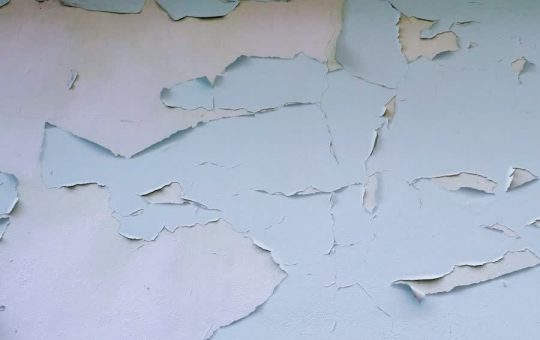
The actual difficulty is getting paint to adhere. There are a lot of shiny clear coats and stains in the timber. When the paint is not properly prepared, it may peel, chip or appear blotchy.
This guide breaks down every step in easy-to-understand terms. You will be able to stain, sand, prime and paint stained wood to achieve smooth and lasting good surface finish.
Can Stained Wood Be Painted Over?
Yes. When painting over stained wood on furniture, doors, trim, cabinets and wall paneling, you can do this. It’s the surface preparation that is the key.
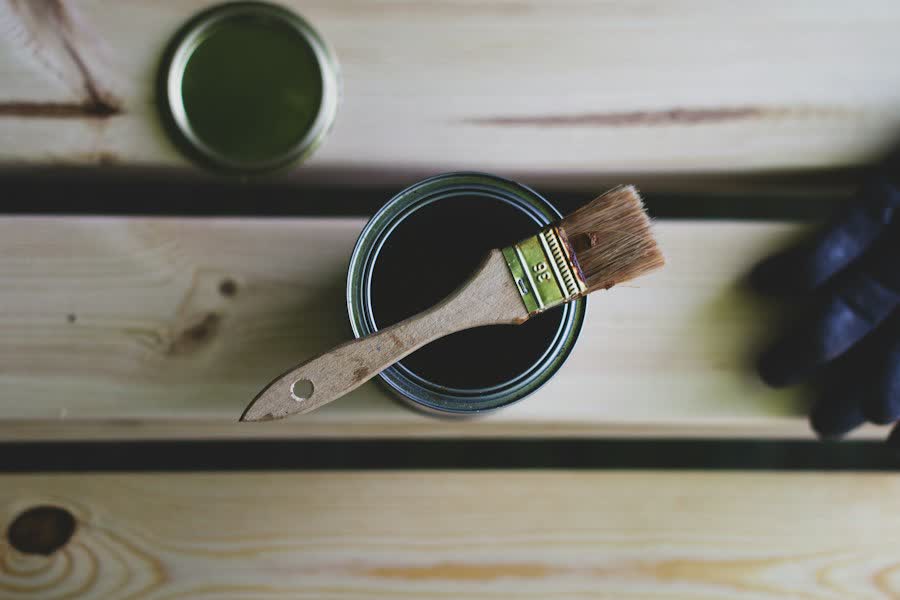
The stain is designed to penetrate wood.The stain is absorbed by wood. A lot of stained items will also be topcoated, for instance with varnish or polyurethane. This glossy finish prevents paint from adhering. Ask anyone the question “can you paint over stained wood” and then you get the “how do you prepare it” part.
There are three components to good prep: cleaning, scuffing sand, and priming. These will make your paint adhere much better if you do them.
Why Stained Wood Needs Extra Preparation
Stained wood is not the same as raw wood. There are three common problems which can do in a paint job.
Slides off shiny surfaces and may peel later – glossy topcoat.
Oils from hands and cooking are absorbed by grease and grime on cabinets, railings and doors.
Woods such as oak, cedar and mahogany are naturally tanned and can bleed through. These can seep through light paint and cause stains. Knots on pines can too. This Old House also offers helpful background reading on this subject.
So, will stained wood prevent you from being able to paint over it without these issues? Yes, when properly cleaned and a stain blocking primer used.
Materials and Tools Required
You should have your supplies ready before you begin. Is it possible to stain the wood and then paint over it using simple tools? Yes. It doesn’t require anything fancy.
Cleaner and clean rags.
Liquid deglosser (optional)
A sandpaper or sanding sponge (120 to 180 grit)
Cement or similar material used to fill in cracks or scratches on wood.
Painter’s tape and drop cloths.
Tack cloth or a damp microfiber cloth
Stain-blocking/ bonding primer
Paint (most interior jobs will work best with acrylic latex or enamel paint)
A good brush, a small foam roller or a paint sprayer
Face, eye and dust mask and gloves
Safety note: If your home was constructed prior to 1978, the existing finish may be filled with lead. Check with a lead test kit prior to sanding.
How to Paint Over Stained Wood?
The first step to creating a successful website is to prepare your workspace.
Work in an area with adequate ventilation. Set out drop cloths and take out hardware like knobs, hinges and handles.
If possible, remove doors and cabinet from hinges. It’s not so difficult to paint a flat surface evenly.
In Step 2, the Wood will be thoroughly cleaned.
Clean surface with a degreasing cleaner and a clean rag. Be extra careful with places people use frequently.
Use a damp cloth to clean, and let the wood dry completely. You need to thoroughly clean the surface before you start painting, or the paint will not adhere to the surface.
Step 3: Fill Dents and Damage
Use wood filler to fill gouges, nail holes and deep scratches. Allow to dry according to label directions.
After filling, sand the areas until flat to match the rest of the surface.
Sand the surface.Step 4: Sand the surface.
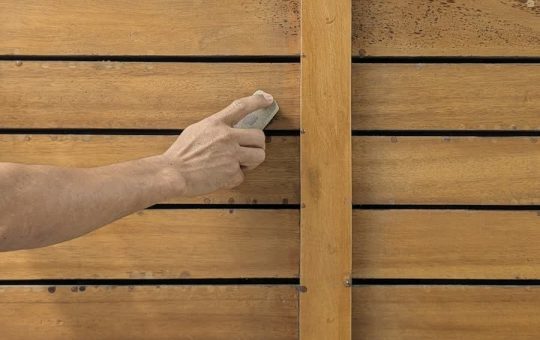
Use 120 to 180 grit sandpaper to scuff all the surface of the piece. It is not necessary to take all the stain off. The purpose of which is to reduce the shine and make a lot of small scratches to provide a grip for the primer.
Sweep sand along the grain of the wood. Sand corners and curves with a sanding sponge. Use a dust mask when working.
Step 5: Get rid of all the dust.
Use a tack cloth or damp microfiber cloth to clean the wood. If dust is left on the surface, there will be bumps in the final coat.
Also vacuum around nearby areas to prevent dust falling back on the wood.
Step 6: Apply Primer
Primer is the most important step when you paint over stained wood. A stain blocking primer prevents the tannins and dark stains from appearing. A bonding primer is used when painting on glossy surfaces.
Choose an oil-based or water-based primer based on the product label and your project. Apply in a thin, even coat and allow to dry thoroughly. If the surface is rough, very lightly sand it with fine sandpaper and remove the dust.
Step 7: Paint in Thin Coats
Use a good brush or little foam roller. Use thin layers instead of a thick layer. The thicker the paint, the longer it will take to dry.
Leave each coat to dry before applying the following. The average requirements for most projects is two coats.
Step 8: Let the Paint Cure
If dry to the touch, this does not indicate that it is fully cured. It takes longer for paint to cure.
Care the piece with care for a few days or more, as directed on the paint label. This is of paramount importance in cabinets, tables and floors.
Can You Paint Over Stained Wood Without Sanding?
Sometimes, yes. A liquid deglosser and bonding primer will work if the surface is clean and there are no defects. There are some primers specifically formulated to adhere to shiny surfaces. See if sanding is necessary on the product label.
However, light sanding will provide the best traction. If not, test a small, concealed area first. Allow paint to dry then scratch with fingernail. If it flakes off, sand the object before proceeding.
May I Paint on Stained Wood Cabinets and Furniture?
Yes. Some of the most popular stained wood paint jobs are cabinets and furniture. They are used daily and should be of a quality that is suitable for cabinets or furniture.
Label doors and drawers on cabinets before taking them out. This will make it easy to reassemble. If there is furniture, take out the drawers and hardware. If the light paint is stained dark beneath it, it might require additional paint.
Can You Paint Over Stained Wood Outdoors?
Yes, but outdoor wood requires the proper products. Use an exterior primer and exterior paint. Ensure wood is dry before starting. When moisture gets trapped in the brick, it may cause bubbling and peeling.
Decks, railings and fences are exposed to sun, rain. Use a cleaner designed for outdoor wood to clean them and sand any rough areas. Floors and steps must be painted with a floortype paint.
Common Mistakes to Avoid
The majority of paint failures occur because of a lack of preparation. Avoid these mistakes.
The cleaner the better: Grease hinders paint adhesion.
The failure to apply a primer is a major cause of stain bleed through.
Too early to paint: If painted before the drying time has passed, paint will be tacky and soft.
Wearing thick coats: Thin coats look smoother and will last longer.
Not taking into account the weather: Very damp or cold air will slow drying.
So, is it possible to overpaint stained wood and have a longer-lasting finish? Yes, but with respect to each step.
Tips for a Smooth, Long-Lasting Finish
Stir paint thoroughly before and when using.
Use a good brush. Low-quality brushes will result in bristles and streaks.
Drip catch: work from top to bottom.
Use satin or semi-gloss paint in parts of a room that require frequent cleaning.
If bumps are felt, lightly sand between coats.
Still unsure if you can paint over stained wood in a special piece? Try a small hidden test spot first. It demonstrates the interplay of the stain, primer and paint.
Related reading: best wood finishes for furniture, home renovation checklist, easy woodworking projects.
Final Thoughts
So, can you paint over stained wood? Yes, and they can look great. In most cases wood need not be stripped.
The key to success is preparation. Wash the surface, lightly sand, prime thoroughly and paint thinly. Then allow paint to dry.
You’re not looking for a quick get rich scheme, so if you’re planning a kitchen cabinet or a table, a door or a deck, you’ll need to be patient. Your old and dirty wood will look new and smooth for years with these steps.
FAQs
Is it possible to paint over stained wood and boil off the stain?
It is not a good thing to do. Stain bleed can be prevented by using primer. If there is no, you might experience peeling or dark patches.
Can you paint over stained wood using oil based stain?
Yes. Scuff, wipe down, sand surface and use a finish appropriate primer. Ensure that the previous stain is completely dry and not sticky. If it remains sticky, it is not ready to paint.
Which paint should you use on stained wood?
Most interior jobs can be done with acrylic latex paint or enamel paint. When it comes to cabinets and furniture, opt for a hard-wearing enamel that is designed for such items. Exterior woods should be painted with exterior paint. Always use the correct paint and primer.
What is the time duration to be spent between steps?
Follow the dry times on the primer and paint cans. The times will vary depending on product, temperature and humidity. Don’t hurry it up, wait a little longer is safer.
Will the old stain color show through the paint?
Can, especially where there is dark stain underneath light paint. This risk can be reduced by using a stain blocking primer. If still visible in color, apply second coat of primer or paint.